

Recent court data shows that over six hundred thousand individuals pursue debt relief annually. This massive volume highlights why understanding the exact legal pathways matters. Many consumers confuse liquidation with reorganization. The primary distinction lies in how courts handle your assets and repayment schedules. You must evaluate your income, debt type, and long-term goals before proceeding. Our firm at PM Bankruptcy guides clients through these complex decisions daily. We prioritize transparent legal strategies that protect your financial future.
Understanding the Liquidation Process
Core Mechanism and Court Oversight
Chapter 7 is a federal court proceeding that liquidates nonexempt assets to pay creditors. A court-appointed trustee oversees the entire distribution process. This pathway typically resolves unsecured debts within four to six months. Most filers retain essential household goods and vehicles under state exemption rules. The process requires full financial disclosure and accurate documentation. You must attend a mandatory creditors meeting to verify your paperwork. Our team prepares you for every procedural step. Visit our Chapter 7 services page to review detailed eligibility criteria.
Debt Discharge Limitations
Not every obligation qualifies for immediate elimination. Student loans, recent tax obligations, and child support payments survive the discharge. Creditors may file objections if they suspect fraudulent transfers. The court reviews these claims before granting final relief. You must demonstrate good faith throughout the entire proceeding. We help clients navigate these exceptions efficiently. Contact our office to schedule a confidential consultation.
The Repayment Reorganization Schedule
Structured Payment Plans
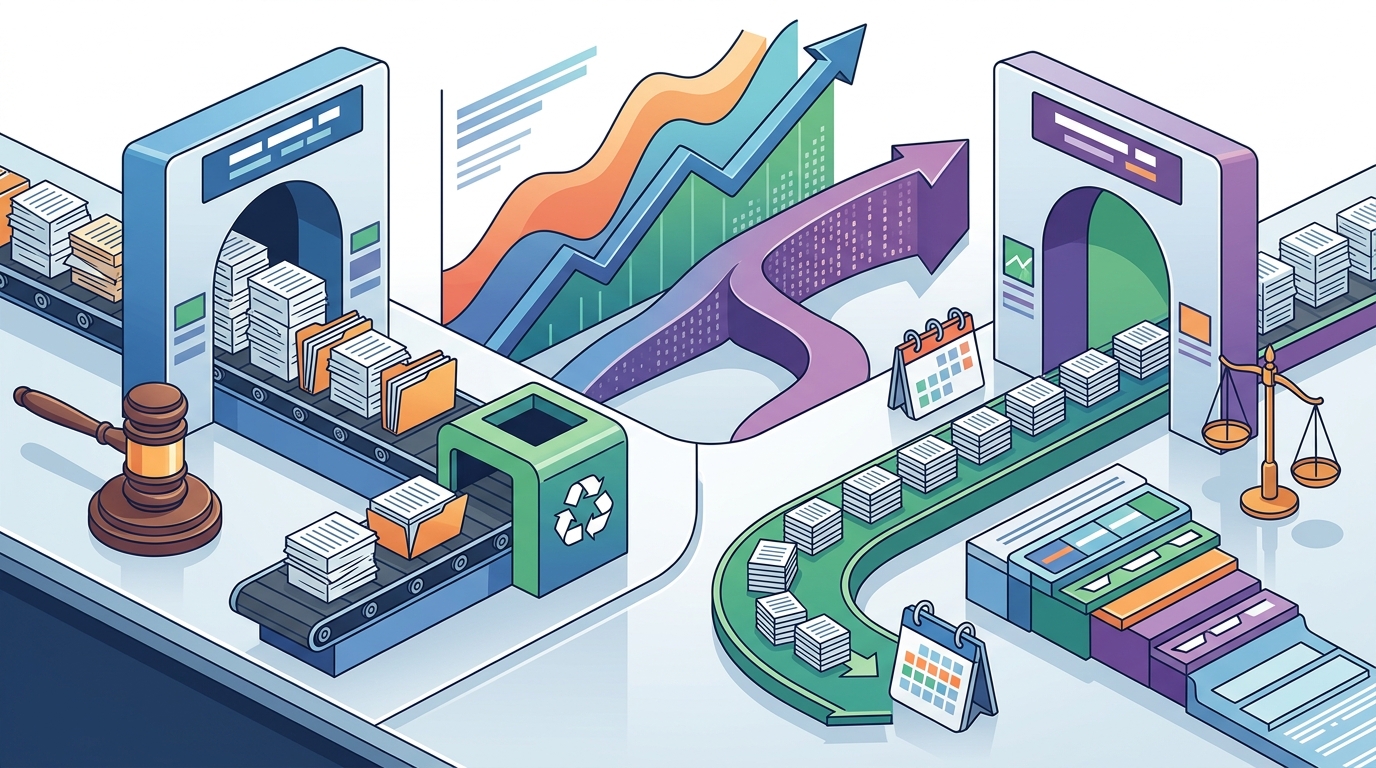
Chapter 13 is a structured repayment plan that allows debtors to retain property while paying a portion of their debts over three to five years. This framework requires a steady income source to fund monthly installments. The court approves your proposed budget before implementation. You make regular payments to a standing trustee who distributes funds to lenders. This approach prevents foreclosure and stops wage garnishments immediately. Our attorneys draft customized plans that align with your cash flow. Learn more about our Chapter 13 filing process and how it protects your home.
Flexible Debt Handling
Reorganization allows you to catch up on past-due mortgage payments. You can also strip unsecured liens from overvalued real estate. The court modifies certain loan terms to make them manageable. This flexibility appeals to homeowners facing temporary income disruptions. You maintain possession of your assets while rebuilding financial stability. We guide you through every modification request. Reach out to discuss your specific repayment goals.
Eligibility Requirements and Income Thresholds
Means Testing Calculations
Means testing is a mathematical calculation that determines whether a filer qualifies for liquidation or must proceed with reorganization. The court compares your median household income against state averages. If your earnings exceed the threshold, you must demonstrate disposable income for repayments. This screening prevents high earners from abusing liquidation procedures. You must provide recent pay stubs and tax returns. Our analysts run precise projections to predict your filing path. Our team runs precise projections to predict your filing path. Review our firm background to see how we handle complex income scenarios.
Debt Limits and Frequency
Reorganization filings carry specific dollar caps on secured and unsecured obligations. These limits adjust periodically to reflect national economic shifts. You cannot file for liquidation if you previously received a discharge within eight years. Reorganization discharges require a six-year waiting period. The court enforces these timelines strictly. We verify your filing history before accepting your case. Schedule a review to confirm your current standing.
Asset Protection and Exemption Laws
State-Specific Exemptions
Each jurisdiction establishes unique property shields that safeguard your essentials. Montana law allows substantial homestead exemptions for primary residences. You can also protect retirement accounts, life insurance cash value, and public benefits. The trustee cannot seize exempt property during liquidation. You must accurately list every asset on your schedules. Our attorneys maximize your available shields before filing. Explore our contact page to discuss your local exemption options.
Nonexempt Property Handling
Valuable collectibles, second vehicles, and investment properties may face liquidation. The trustee sells these items to fund creditor distributions. You can sometimes purchase nonexempt assets back at auction prices. This strategy preserves family heirlooms and business equipment. You must cooperate fully with valuation appraisals. We negotiate favorable buyback terms whenever possible. Let us protect your most valuable possessions.
Long-Term Credit Impact and Recovery
Reporting Duration and Score Recovery
Recent bankruptcy data shows that liquidation remains on credit reports for ten years. Reorganization filings appear for seven years. Both events initially lower your credit score significantly. Lenders view discharged debts as cleared obligations. You can rebuild your score by maintaining timely payments on new accounts. Our clients typically restore strong credit profiles within three years. We provide post-filing guidance to accelerate your recovery. Visit our blog resources for actionable credit repair strategies.
Future Borrowing Accessibility
Government-backed loans often accept bankruptcy filings after a two-year waiting period. Private lenders may require higher interest rates or larger down payments. Your debt-to-income ratio improves immediately after discharge. This metric opens doors to auto financing and rental agreements. You must demonstrate consistent employment history to secure favorable terms. We help you prepare documentation for future applications. Contact us to plan your post-finance strategy.
When to Consult a Licensed Attorney
Complex Financial Scenarios
Self-representation carries significant risks when facing creditor objections. Complex asset transfers, business ownership, or international income require precise legal handling. One filing error can trigger dismissal or fraud allegations. Licensed attorneys draft compliant schedules and respond to court motions. You gain access to negotiated settlements and dismissal protections. Our practice focuses exclusively on debt relief solutions. Book your initial assessment today.
Procedural Deadlines
Federal courts enforce strict filing windows that vary by jurisdiction. Missing a deadline forfeits your automatic stay protection. Creditors may resume collection calls and lawsuits immediately. Attorneys track every procedural milestone to prevent delays. You receive clear timelines for document submission and hearings. We manage your case from intake to discharge. Reach out to secure your legal representation.
Chapter 7 vs Chapter 13 Comparison Summary
| Feature | Chapter 7 Liquidation | Chapter 13 Reorganization |
|---|---|---|
| Duration | Four to six months | Three to five years |
| Income Requirement | Below state median threshold | Steady verifiable earnings |
| Asset Retention | Exempt property only | All property with payments |
| Foreclosure Prevention | Limited protection | Full repayment plan |
| Debt Discharge | Unsecured debts eliminated | Modified payment structure |
Key Takeaways
- Chapter 7 liquidation resolves unsecured debts within four to six months.
- Chapter 13 reorganization requires a three to five year payment commitment.
- Means testing determines eligibility based on state median income thresholds.
- Montana exemption laws protect primary residences and retirement accounts.
- Liquidation remains on credit reports for ten years total.
- Reorganization filings appear on credit reports for seven years.
- Self-representation carries high dismissal risks without legal counsel.
Frequently Asked Questions
Can I keep my house if I file for Chapter 7?
You can retain your home if your equity falls within Montana homestead exemption limits. The court protects your primary residence from liquidation. You must continue making mortgage payments to avoid foreclosure. Our attorneys verify your equity position before filing.
What happens to my credit score after discharge?
Your score drops initially but begins recovering immediately. Lenders report discharged debts as zero balances. You can rebuild your profile by paying new bills on time. Most clients restore strong scores within three years.
Do student loans get eliminated in bankruptcy?
Standard student loans survive both liquidation and reorganization proceedings. You must file a separate adversary lawsuit to prove undue hardship. Courts rarely grant this exception without extensive documentation. We assess your eligibility for independent loan relief.
How much does it cost to file for bankruptcy?
Filing fees vary by chapter and court jurisdiction. Liquidation typically requires lower upfront costs than reorganization. Our firm offers transparent pricing and payment plans. You receive a detailed cost breakdown during your consultation.
Can creditors continue collection calls after filing?
The automatic stay immediately prohibits all collection activities. Creditors must cease calls, lawsuits, and wage garnishments. Violating the stay results in court sanctions against lenders. We enforce your legal protections aggressively.
What documents do I need to prepare?
You must provide tax returns, pay stubs, and asset valuations. Bank statements and loan documents complete your financial picture. Our team organizes your paperwork for court submission. You receive a precise document checklist during intake.
Take Control of Your Financial Future
Understanding the exact legal pathways determines your long-term stability. You deserve transparent guidance and strategic representation. Our attorneys specialize in Montana debt relief and asset protection. We evaluate your unique circumstances to recommend the optimal filing strategy. Schedule your confidential consultation today. Visit https://pmbankruptcy.com to begin your debt relief journey.