

Financial distress is rarely a simple equation. It is a complex web of debt, legal obligations, and personal circumstances that requires precise navigation. According to recent federal court filings, millions of Americans file for bankruptcy protection annually to regain financial footing. This guide explores the real-world application of bankruptcy laws, specifically tailored to the services offered by PM Bankruptcy. We will dissect the differences between Chapter 7 and Chapter 13, examine the role of the automatic stay, and provide a clear roadmap for reclaiming your financial future. (Contact Us)
Understanding Bankruptcy as a Legal Tool
Bankruptcy is not a moral failing. It is a legal mechanism designed to provide relief to individuals and businesses who cannot pay their debts. Bankruptcy is a federal legal process that allows individuals or businesses unable to repay their debts to seek relief from some or all of their debts. This process is governed by the United States Bankruptcy Code, which ensures fair treatment for both creditors and debtors.
For many, the decision to file is daunting. However, ignoring debt rarely makes it disappear. Creditors will continue to pursue collection efforts, leading to wage garnishments, bank levies, and foreclosure. PM Bankruptcy specializes in guiding clients through this turbulent period with clarity and compassion. By understanding the legal framework, you can make informed decisions about your financial health.
The primary goal of bankruptcy is not to eliminate all debt but to provide a fresh start. This fresh start is achieved through the discharge of qualifying debts. Not all debts are dischargeable, however. Taxes, student loans, and child support often survive the bankruptcy process. Understanding these nuances is critical before filing.
Chapter 7 vs. Chapter 13: Which Path Fits?
The two most common forms of personal bankruptcy are Chapter 7 and Chapter 13. Choosing the right chapter depends on your income, assets, and long-term financial goals. PM Bankruptcy evaluates each client's unique situation to recommend the most effective strategy.
Chapter 7: Liquidation
Chapter 7 is often referred to as "liquidation" bankruptcy. It is designed for individuals with limited income who cannot afford a repayment plan. In this process, a trustee may sell non-exempt assets to pay creditors. However, most Chapter 7 cases are "no-asset" cases, meaning the debtor retains all their property due to exemption laws.
Chapter 7 is a legal proceeding where a trustee liquidates non-exempt assets to pay creditors, while most unsecured debts are discharged. This path is ideal for those seeking a quick resolution to overwhelming debt, such as credit cards and medical bills. The process typically takes three to six months from filing to discharge.
Chapter 13: Reorganization
Chapter 13 is a repayment plan. It allows debtors to keep their property while catching up on missed payments over three to five years. This option is crucial for homeowners facing foreclosure who want to save their house.
Unlike Chapter 7, Chapter 13 requires a regular income. You must propose a plan to repay all or part of your debts. The court approves the plan, and you make monthly payments to a trustee, who then distributes funds to creditors. This structure provides stability and prevents foreclosure during the repayment period.
The Power of the Automatic Stay
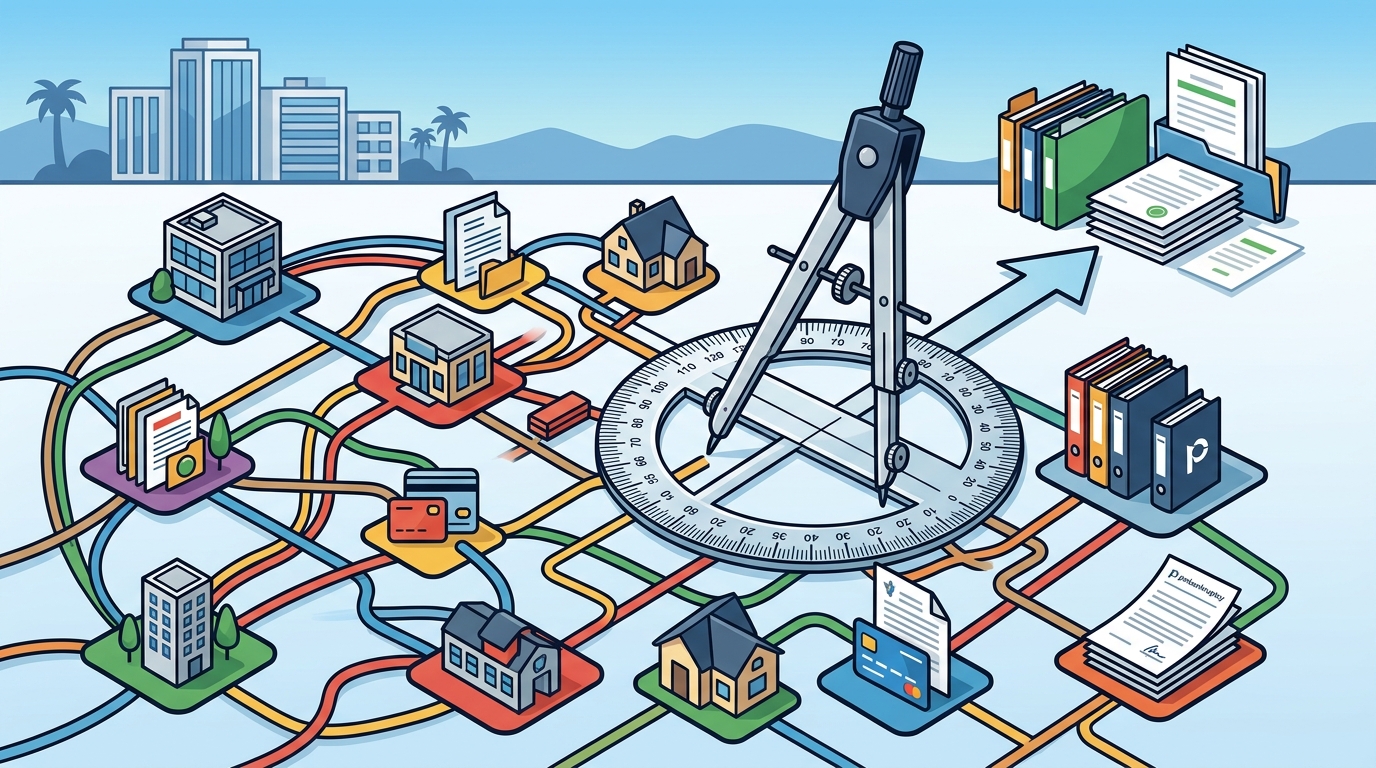
One of the most immediate benefits of filing for bankruptcy is the automatic stay. This legal injunction stops almost all collection activities against you or your property. When you file, the court issues an order that creditors must obey immediately.
The automatic stay halts wage garnishments, bank levies, foreclosure proceedings, and harassing phone calls. It also stops lawsuits and judgments related to debt. This pause gives you breathing room to reorganize your finances without the constant pressure of collection efforts. PM Bankruptcy ensures that all creditors are properly notified of the stay to prevent violations.
Violating the automatic stay can result in severe penalties for creditors. If a creditor continues to collect after the filing, they may be held liable for damages. This protection is a cornerstone of the bankruptcy system, designed to give debtors a fair chance to recover.
Navigating the Meeting of Creditors
After filing, you will attend a meeting of creditors, also known as a 341 meeting. This is a mandatory step in the bankruptcy process. Despite the intimidating name, it is usually a brief and formal procedure.
During this meeting, the trustee asks questions under oath to verify your identity and the accuracy of your petition. Creditors may also attend and ask questions, but they rarely do in consumer cases. The focus is on ensuring transparency and preventing fraud. PM Bankruptcy prepares you thoroughly for this meeting, so you know exactly what to expect.
It is essential to bring required documents, such as photo identification and proof of income, to the meeting. Failure to appear can result in the dismissal of your case. The trustee's role is not to judge you but to ensure the process is followed correctly. Being honest and prepared is the best strategy.
Discharge and Rebuilding Credit
The ultimate goal of bankruptcy is the discharge of debts. A discharge is a court order that releases you from personal liability for specific debts. Once discharged, creditors can no longer take any action to collect the debt from you.
Rebuilding credit after bankruptcy is possible. It requires discipline and time. You may need to start with secured credit cards or credit builder loans. Making timely payments on these accounts will gradually improve your credit score. Many individuals find that their credit score recovers faster than expected after bankruptcy.
PM Bankruptcy provides resources and guidance on post-bankruptcy financial management. Understanding how to rebuild credit is just as important as filing for bankruptcy. It ensures that you do not fall back into old patterns of debt accumulation.
Key Takeaways
- Legal Framework: Bankruptcy is a federal legal process designed to provide relief from overwhelming debt, not a moral judgment.
- Chapter 7 Eligibility: Chapter 7 is ideal for those with limited income who qualify for the means test and wish to discharge unsecured debts quickly.
- Chapter 13 Benefits: Chapter 13 allows homeowners to catch up on mortgage arrears and keep their property through a 3-5 year repayment plan.
- Automatic Stay: Filing triggers an immediate halt to all collection activities, including foreclosure, wage garnishment, and lawsuits.
- 341 Meeting: The meeting of creditors is a formal requirement where the trustee verifies the accuracy of your petition under oath.
- Discharge Impact: A discharge eliminates personal liability for qualifying debts, providing a fresh financial start.
- Rebuilding Credit: Post-bankruptcy credit recovery is achievable through secured cards and timely payments, often faster than anticipated.
Frequently Asked Questions
How long does the bankruptcy process take?
Chapter 7 cases typically take three to six months from filing to discharge. Chapter 13 cases last three to five years, depending on the repayment plan approved by the court.
Will I lose my house if I file for bankruptcy?
Not necessarily. In Chapter 7, you may keep your home if it is covered by homestead exemptions. In Chapter 13, you can catch up on missed mortgage payments over time to prevent foreclosure.
What debts are not discharged in bankruptcy?
Common non-dischargeable debts include student loans, recent taxes, child support, alimony, and debts incurred through fraud or willful injury.
Can I file for bankruptcy more than once?
Yes, but there are waiting periods. You must wait eight years from a previous Chapter 7 discharge to file another Chapter 7, and six years from a Chapter 7 to file a Chapter 13.
How does bankruptcy affect my credit score?
A bankruptcy filing will significantly lower your credit score initially. However, it stops negative marks from accumulating, and rebuilding credit can begin immediately after discharge.
Do I need a lawyer to file for bankruptcy?
While not legally required, hiring an experienced attorney like those at PM Bankruptcy is highly recommended. Legal expertise ensures proper filing, exemption protection, and navigation of complex court procedures.
What is the means test?
The means test determines your eligibility for Chapter 7 bankruptcy by comparing your income to the median income in your state. If your income is below the median, you likely qualify for Chapter 7.
Take Control of Your Financial Future
Debt does not define your worth. It is a circumstance that can be addressed with the right legal strategy. PM Bankruptcy is dedicated to providing compassionate, expert guidance through every step of the bankruptcy process. Whether you are considering Chapter 7 or Chapter 13, our team is here to help you navigate the complexities of the law.
Do not wait until it is too late. Contact PM Bankruptcy today to schedule a consultation. Visit https://pmbankruptcy.com/ to learn more about our services and how we can assist you in achieving financial freedom. Your fresh start begins with a single step.