

Filing for bankruptcy requires precise documentation to avoid immediate dismissal. According to the U.S. Courts, over 400,000 bankruptcy petitions were filed in the last fiscal year, highlighting the volume of cases processed nationwide. Missing critical paperwork can delay your case by months or trigger unnecessary fees. This guide outlines the essential records you must gather before consulting with PM Bankruptcy to ensure your filing proceeds without administrative hurdles. Preparing these items early reduces stress and accelerates your path to financial relief. (https pmbankruptcy com)
Income and Employment Records
Income verification is the process of proving your earnings through official records. You must provide pay stubs covering the last 60 days. These documents prove your current monthly income. Lenders and trustees review these to calculate your disposable income. If you are self-employed, you must provide profit and loss statements. These records show your business revenue and expenses. The trustee uses this data to assess your ability to repay debts. Social Security benefit statements are necessary if applicable. These documents prove your income source. Benefits are often exempt from creditor claims. Court orders for alimony or child support are required. These documents prove your support obligations. Failure to disclose these debts can lead to legal penalties. (Contact Us)
Asset and Property Documentation
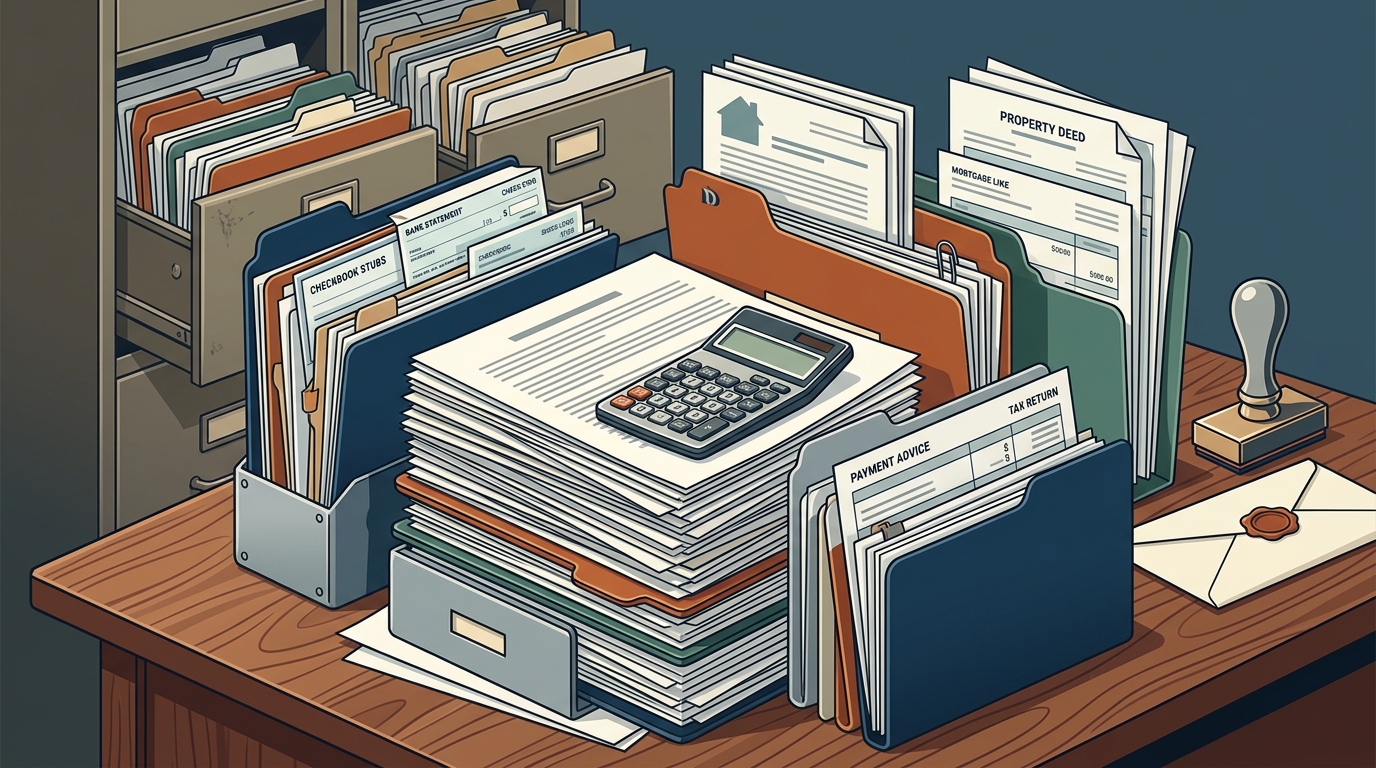
Asset disclosure is the mandatory reporting of all property you own. Bank statements for the last four months are required. These records show your cash flow and account balances. Hidden transfers can raise red flags during the review. Vehicle titles and loan statements are necessary. These documents prove ownership and existing debt. You must list the fair market value of each vehicle. Mortgage statements and property deeds are critical. These records detail your home equity and payment history. Equity levels determine whether you can keep your residence. Statements for retirement accounts like 401(k) plans are necessary. These documents prove your long-term savings. Many retirement funds are fully exempt from bankruptcy proceedings. Life insurance policy statements are required. These documents prove your cash value and premiums. Cash value policies may be considered assets. Business financial statements are necessary for sole proprietors. These documents prove your business income and expenses. You must separate personal and business assets clearly. (Customer Experience)
Debt and Creditor Lists
Credit card statements for the last 90 days are mandatory. These documents list your outstanding balances and creditors. You must list every active account to avoid dismissal. Personal loan agreements and collection notices are required. These documents prove the existence of unsecured debt. You must provide the original lender's contact information. Court judgments and collection notices are required. These documents prove existing legal liabilities. You must list the judgment creditor and amount owed. Medical bills and hospital statements are necessary. These documents prove your healthcare debt. Medical debt is often unsecured and dischargeable. Utility bills for the last three months are required. These documents prove your current living expenses. Trustees review these to assess your monthly budget. Lease agreements for rentals or equipment are necessary. These documents prove your ongoing expenses. Trustees review these to assess your living costs. (Frequently Asked Questions)
Financial Statements and Tax Returns
Your tax returns for the last two years are essential. These forms reveal your annual earnings and deductions. The trustee uses this data to verify your financial history. The bankruptcy petition is the official request to the court. This document lists all your debts, assets, and income. Filing this petition starts your case. Schedules A through J detail your assets, liabilities, and income. These forms provide a complete financial picture. You must complete these forms accurately to avoid penalties. The statement of financial affairs details your recent transactions. It includes sales, payments, and lawsuits. You must disclose all transactions from the past two years. The means test determines your eligibility for Chapter 7. This calculation compares your income to your state's median. Passing this test allows you to discharge more debt. Reaffirmation agreements allow you to keep specific secured debt. These contracts bind you to continue payments. You must review these agreements carefully before signing. (About)
Pre-Filing Requirements
Credit counseling is a federally mandated educational course required before filing. Federal law mandates pre-filing credit counseling. Credit counseling requirement ensures you explore alternatives before filing. You must complete this course and obtain a certificate. The certificate must be filed with your bankruptcy petition. Without this document, your case will be dismissed. The trustee meeting is where you answer questions under oath. This meeting occurs 20 to 40 days after filing. You must bring original copies of all documents to this meeting. The discharge order is the final court document. This order legally eliminates your liability for specific debts. Receiving this order marks the end of your bankruptcy case.
| Document Category | Required Items | Purpose in Filing |
|---|---|---|
| Income Records | Pay stubs, tax returns, SS statements | Calculate disposable income and means test |
| Asset Records | Bank statements, vehicle titles, deeds | Determine exemptions and equity values |
| Debt Records | Credit card statements, loan agreements | List all creditors and outstanding balances |
| Legal Forms | Petition, schedules, SOFA | Official court request and financial disclosure |
| Counseling | Credit counseling certificate | Mandatory pre-filing compliance requirement |
Key Takeaways
- The average cost to file Chapter 7 bankruptcy is approximately $1,500, including attorney fees. Average filing costs vary by jurisdiction and case complexity.
- Chapter 7 bankruptcy allows eligible debtors to discharge unsecured debts. Chapter 7 eligibility depends on your income relative to your state's median.
- Recent data shows that 60% of filers face wage garnishment. Wage garnishment data highlights the urgency of legal protection.
- You must provide pay stubs for the last 60 days to prove current income.
- Tax returns for the last two years are mandatory for all filers.
- Credit counseling certificates must be filed with your initial petition.
- Missing any required document can result in case dismissal or fees.
Frequently Asked Questions
What happens if I miss a document?
If you miss a document, the trustee will issue a request for additional information. This delay can extend your case by several weeks. You must provide the missing document promptly to avoid dismissal.
Can I file bankruptcy without tax returns?
No, tax returns for the last two years are mandatory. The court requires these records to verify your income and deductions. Failure to provide tax returns will result in case dismissal.
How long does it take to gather all documents?
Gathering all documents typically takes one to two weeks. You should start collecting records as soon as you consider filing. PM Bankruptcy can help you organize your documents efficiently.
Do I need to list every single debt?
Yes, you must list every single debt to receive a full discharge. Omitting a debt means you remain liable for that obligation after bankruptcy.
What is the means test?
The means test is a calculation that determines your eligibility for Chapter 7. It compares your income to your state's median income. Passing this test allows you to discharge more debt.
Can I keep my car in bankruptcy?
You can keep your car if you are current on payments and the equity is exempt. You must provide vehicle titles and loan statements to prove ownership.
What is the trustee meeting?
The trustee meeting is where you answer questions under oath. This meeting occurs 20 to 40 days after filing. You must bring original copies of all documents to this meeting.
Next Steps
Start your bankruptcy case with confidence by gathering your documents today. PM Bankruptcy provides expert guidance to ensure your filing is accurate and complete. Contact us to schedule a consultation and take the first step toward financial freedom. Visit our Chapter 7 services or Chapter 13 services to learn more. Review our blog for additional insights. Check our FAQ for common questions. Learn about our team on our about page. Contact PM Bankruptcy now to begin your journey to relief.