

Financial distress does not discriminate by zip code, yet the legal pathways to relief are highly localized. According to recent federal court data, over 400,000 bankruptcy petitions were filed nationwide in the last fiscal year, with a significant portion originating from coastal communities facing unique economic pressures. Navigating this complex landscape requires precise knowledge of both federal statutes and local court procedures. This guide provides a comprehensive roadmap for residents of Pacifica, California, seeking to understand their options and execute a successful filing. (Contact Us)
Understanding Your Bankruptcy Options
The first critical step in the journey to financial freedom is determining which chapter of the Bankruptcy Code applies to your specific situation. The two most common filings for individuals are Chapter 7 and Chapter 13. Each serves a distinct purpose and carries different long-term implications for your credit and assets.
Chapter 7: Liquidation
Chapter 7 bankruptcy is often referred to as "liquidation" or "straight bankruptcy." It is designed for individuals whose income falls below the median for their household size in California. This chapter allows for the discharge of most unsecured debts, such as credit card balances and medical bills. However, it requires passing a means test to ensure you qualify. Pacifica residents with stable income but high debt-to-income ratios may find this path less viable.
Chapter 13: Repayment Plan
Chapter 13 bankruptcy is a reorganization plan that allows you to keep your assets while repaying debts over three to five years. This option is ideal for homeowners in Pacifica who are facing foreclosure and wish to catch up on missed mortgage payments. It also provides protection against wage garnishment and allows for the consolidation of debts into a single, manageable monthly payment. The structure of Chapter 13 requires strict adherence to a court-approved budget.
Preparing the Necessary Paperwork
Accuracy in documentation is the cornerstone of a successful bankruptcy case. The federal courts require exhaustive detail regarding your financial history. Any omission, even if unintentional, can lead to the dismissal of your case or the denial of your discharge.
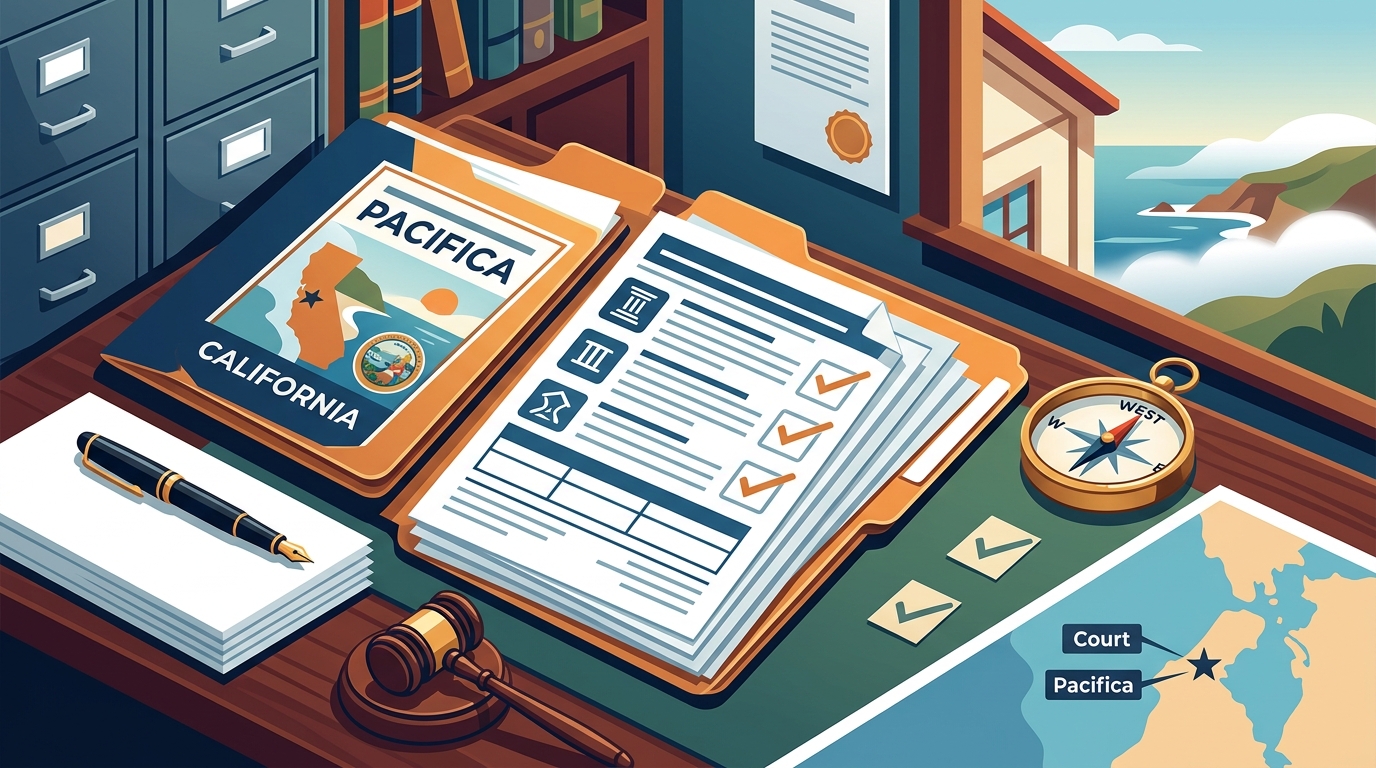
You must gather comprehensive financial records, including tax returns for the past two years, recent pay stubs, and a complete list of creditors. The PMB Bankruptcy team emphasizes that thorough preparation reduces the likelihood of procedural errors. Your petition will include schedules of assets, liabilities, income, and expenses. These documents must reflect your current financial reality with absolute precision.
Exemptions in California
California offers two distinct sets of exemption laws that determine what property you can keep. Understanding these exemptions is vital for protecting your home, vehicle, and personal belongings. The choice between the two systems can significantly impact the outcome of your case. Professional guidance is essential to navigate these complex legal distinctions effectively.
Mandatory Credit Counseling
Before you can file for bankruptcy, federal law mandates that you complete a credit counseling course from an approved agency. This requirement applies to both Chapter 7 and Chapter 13 filings. The course typically takes about 60 to 90 minutes and covers budgeting, debt management, and financial alternatives to bankruptcy.
Upon completion, you will receive a certificate of completion. This document must be filed with your bankruptcy petition. Without it, your case will be dismissed immediately. It is advisable to complete this step well in advance of your filing date to avoid last-minute complications. The U.S. Courts website maintains a list of approved providers for Northern California.
Filing the Petition in Northern California
Pacifica falls under the jurisdiction of the United States Bankruptcy Court for the Northern District of California. Filing is typically done electronically through the court's CM/ECF system. You will need to pay a filing fee, which can be paid in installments if necessary. The current filing fee for Chapter 7 is $338, while Chapter 13 is $313.
Once your petition is filed, an automatic stay goes into effect. This legal order immediately stops most collection activities, including lawsuits, wage garnishments, and foreclosure proceedings. This provides immediate relief and breathing room as you move forward with your case. The U.S. Trustee Program oversees the administration of bankruptcy cases to ensure compliance with federal law.
Required Documents Checklist
- Completed bankruptcy petition forms
- Schedules of assets and liabilities
- Statement of financial affairs
- Credit counseling certificate
- Proof of income (pay stubs)
- Tax returns (last two years)
The Meeting of Creditors
Approximately 20 to 40 days after filing, you will attend a Meeting of Creditors, also known as a 341 meeting. This is a mandatory hearing where the bankruptcy trustee reviews your case. Creditors are invited to attend but rarely do. The trustee will ask you under oath to verify the accuracy of your petition and your financial situation.
It is crucial to attend this meeting on time and bring required identification, such as a government-issued photo ID and your Social Security card. The trustee's questions are standard and designed to confirm the validity of your claims. Being honest and prepared is the best strategy. For more insights on preparing for this meeting, visit the National Association of Credit Management resources.
What Happens if Creditors Object?
In rare cases, a creditor may object to the discharge of a specific debt or the entire case. This can happen if they suspect fraud or misrepresentation. If an objection is filed, you may need to attend additional hearings. Legal representation is highly recommended to navigate these potential disputes effectively.
Discharge and Financial Rebuilding
The ultimate goal of bankruptcy is the discharge of debts. In Chapter 7, this typically occurs about 60 to 90 days after the Meeting of Creditors. In Chapter 13, discharge is granted after you complete your repayment plan. A discharge eliminates your personal liability for most debts, meaning creditors can no longer attempt to collect them.
However, bankruptcy is not the end of your financial journey. It is a tool for a fresh start. Rebuilding your credit takes time and discipline. You can begin by obtaining a secured credit card and making timely payments. Monitoring your credit report regularly ensures that discharged debts are properly marked as such. The Consumer Financial Protection Bureau offers excellent resources for post-bankruptcy financial health.
Impact on Credit Score
A bankruptcy filing will initially lower your credit score significantly. However, the impact diminishes over time. Many individuals find that their credit score improves within a few years of discharge, especially if they adopt responsible financial habits. The key is to demonstrate consistent, on-time payments on new credit obligations.
Key Takeaways
- Chapter 7 is for liquidation, while Chapter 13 involves a repayment plan.
- Mandatory credit counseling is required before filing any bankruptcy petition.
- Pacifica residents file through the Northern District of California bankruptcy court.
- An automatic stay provides immediate relief from collection actions upon filing.
- Accurate documentation of assets and liabilities is critical for case success.
- California exemption laws determine which property you can retain.
- Discharge typically occurs 60-90 days after the Meeting of Creditors in Chapter 7.
Frequently Asked Questions
How long does the bankruptcy process take in Pacifica?
A Chapter 7 case typically lasts about four to six months from filing to discharge. Chapter 13 cases last three to five years, depending on the repayment plan approved by the court.
Can I keep my house if I file for bankruptcy?
Yes, you may be able to keep your house depending on your equity and the exemption laws you choose. Chapter 13 is particularly effective for preventing foreclosure.
What is the cost of filing for bankruptcy?
The filing fee for Chapter 7 is $338, and for Chapter 13, it is $313. Additional costs may include attorney fees and credit counseling course fees.
Will my creditors know I filed for bankruptcy?
Your creditors will be notified of your filing as part of the legal process. However, the automatic stay prevents them from contacting you directly about the debt.
Does bankruptcy affect my ability to rent a home?
While bankruptcy may make renting more challenging initially, many landlords understand financial hardships. Being transparent and providing references can help mitigate this impact.
Can I file for bankruptcy if I have already been bankrupt before?
Yes, but there are waiting periods between filings. You must wait eight years from a previous Chapter 7 discharge or two years from a Chapter 13 discharge to file for Chapter 7 again.
What is the role of the bankruptcy trustee?
The trustee oversees your case, reviews your paperwork, and ensures compliance with bankruptcy laws. They also conduct the Meeting of Creditors.
Start Your Fresh Start Today
Navigating the complexities of bankruptcy requires expertise and compassion. The legal team at PMB Bankruptcy is dedicated to guiding Pacifica residents through this challenging process with clarity and support. Do not let debt define your future. Contact us today to schedule a consultation and explore your options for financial relief. Visit our services page to learn more about how we can help you achieve a fresh start.