

Chapter 7 bankruptcy, often referred to as "liquidation" bankruptcy, provides a fresh financial start for individuals overwhelmed by unsecured debt. According to recent federal judicial statistics, Chapter 7 filings remain the most common form of personal bankruptcy, accounting for a significant majority of all consumer cases filed annually. This legal pathway allows filers to discharge most credit card debts, medical bills, and personal loans, offering immediate relief from creditor harassment. For residents in Pacifica and the surrounding San Mateo County area, understanding the nuances of this process is critical to protecting your assets and securing your financial future. (Customer Experience)
What Is Chapter 7 Bankruptcy?
Chapter 7 bankruptcy is a legal procedure designed to eliminate debt through the liquidation of non-exempt assets. Chapter 7 bankruptcy is a federal court process that allows eligible individuals to discharge most unsecured debts. This means that once the case is closed, creditors are legally prohibited from attempting to collect the discharged debts from you. It is particularly beneficial for those who have lost their primary source of income or are facing insurmountable financial hardship.
The primary goal of this chapter is to provide a "fresh start." While it involves the potential loss of certain non-exempt property, most filers in Pacifica retain their homes, cars, and personal belongings due to specific exemption laws. The process is relatively quick, typically concluding within three to six months from the filing date. This speed makes it an attractive option for those seeking immediate relief from wage garnishments, foreclosure proceedings, or persistent collection calls.
However, not everyone qualifies for Chapter 7. The court requires filers to pass a "means test" to determine their eligibility. This test compares your median income to the median income in your state. If your income is below the state median, you generally qualify automatically. If it is above, the test further analyzes your disposable income to determine if you can repay a portion of your debts.
Understanding the Means Test
The means test is the gatekeeper for Chapter 7 eligibility. It was established by the Bankruptcy Abuse Prevention and Consumer Protection Act of 2005 to ensure that those who can afford to repay some debt do so through a Chapter 13 repayment plan instead. The means test calculates your disposable income by subtracting allowed expenses from your current monthly income.
For residents of Pacifica, the cost of living is a significant factor in this calculation. The IRS allows specific deductions for housing, utilities, food, transportation, and healthcare. These deductions are standardized but can vary based on your family size and local cost of living data. If your calculated disposable income is low enough, you will pass the means test and be eligible for Chapter 7.
If you fail the means test, it does not necessarily mean you are barred from bankruptcy. You may still qualify for Chapter 13, which involves a three-to-five-year repayment plan. Alternatively, if your financial situation has changed significantly since the means test was calculated, you might present special circumstances to the court. Consulting with a local bankruptcy attorney is essential to navigate these complexities accurately.
Protecting Your Assets with Exemptions
One of the most common fears regarding Chapter 7 is the loss of property. However, California law provides robust exemption statutes that protect a significant portion of your assets. California exemptions are legal provisions that allow debtors to keep certain property from being liquidated by the bankruptcy trustee. These exemptions are crucial for Pacifica residents who own homes, vehicles, or valuable personal items.
California offers two sets of exemptions: the homestead exemptions and the general exemption system. Filers can choose one set or the other, whichever provides the greater protection for their specific situation. The homestead exemption protects equity in your primary residence. Given the high property values in the San Francisco Bay Area, this exemption is particularly valuable for homeowners in Pacifica.
Other common exemptions include:
- Vehicle Exemption: Protects a certain amount of equity in your car.
- Personal Property Exemption: Covers household goods, clothing, and jewelry up to a specific value.
- Wild Card Exemption: Allows you to protect any property of your choice, often used for assets that do not fit into other categories.
Understanding which exemptions apply to your assets is critical. An experienced attorney can help you structure your finances to maximize these protections before filing. For more information on how local laws apply to your specific case, you can explore our bankruptcy services to see how we tailor strategies to individual client needs.
The Chapter 7 Process Explained
Filing for Chapter 7 involves several distinct steps. The process begins with the preparation and filing of a petition with the U.S. Bankruptcy Court. This petition includes detailed information about your assets, liabilities, income, and expenses. The automatic stay is a legal injunction that immediately stops all collection activities against the debtor upon filing. This includes phone calls, lawsuits, wage garnishments, and foreclosure actions.
After filing, you must attend a meeting of creditors, known as the 341 meeting. This is a brief hearing where the bankruptcy trustee asks questions under oath to verify the accuracy of your petition. Creditors may also attend, though it is rare for them to do so in Chapter 7 cases. The trustee's role is to ensure that you have not concealed assets and that the information provided is truthful.
Following the 341 meeting, you are required to complete a financial management course. This course educates you on budgeting and money management to help prevent future financial difficulties. Once the course is completed and the trustee has no objections, the court will issue a discharge order. This order legally releases you from personal liability for the discharged debts.
The timeline from filing to discharge is typically three to six months. During this time, it is important to avoid taking on new debt or making large purchases, as these actions can complicate your case. Working with a knowledgeable firm like PM Bankruptcy ensures that you navigate each step correctly and avoid common pitfalls.
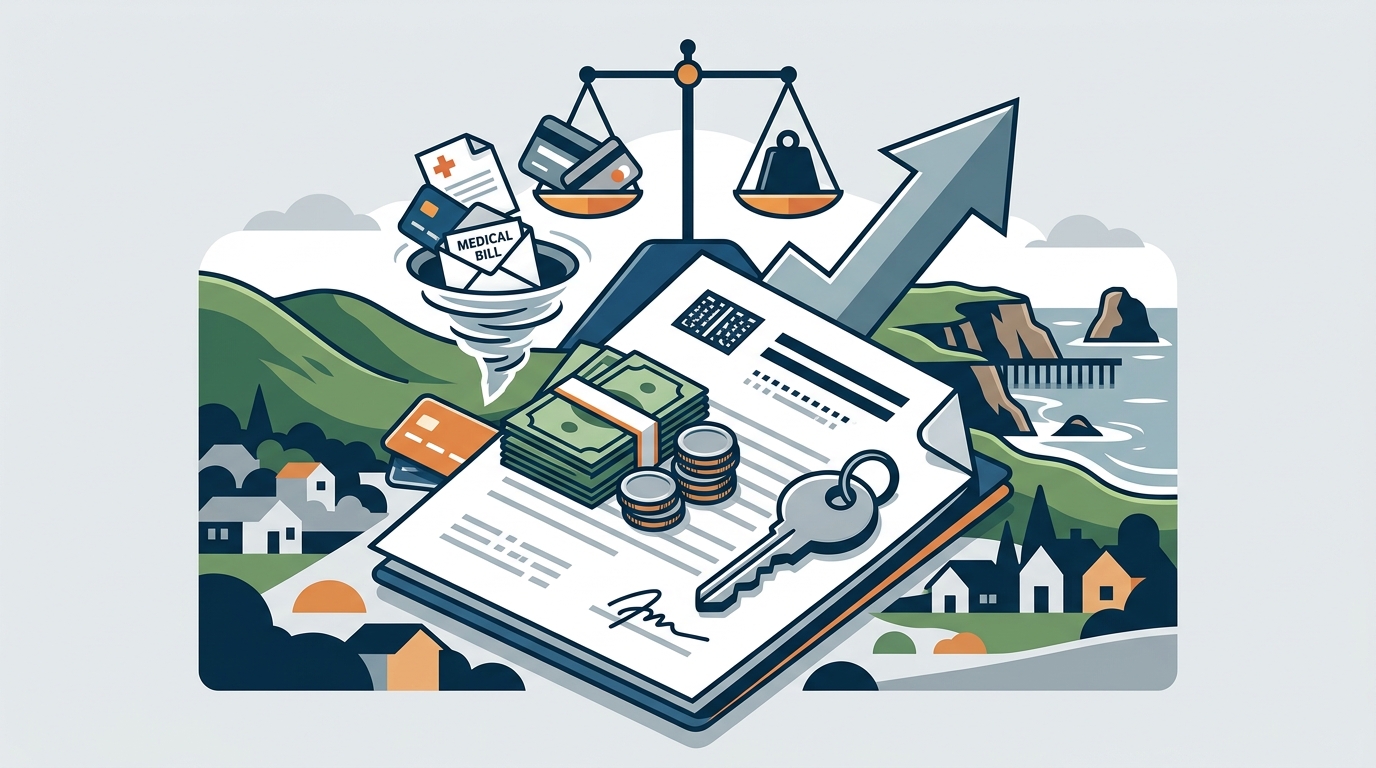
Chapter 7 vs. Chapter 13: Key Differences
Choosing between Chapter 7 and Chapter 13 is a critical decision that depends on your financial situation and goals. Chapter 7 offers a quicker discharge of debt but may require the liquidation of non-exempt assets. Chapter 13, on the other hand, involves a repayment plan that lasts three to five years. Chapter 13 bankruptcy is a reorganization plan that allows debtors to keep their assets while repaying debts over time.
Chapter 13 is often chosen by those who do not qualify for Chapter 7 due to the means test or who wish to save their home from foreclosure. It allows filers to catch up on missed mortgage payments and keep their property. However, it requires a steady income to fund the repayment plan.
| Feature | Chapter 7 | Chapter 13 |
|---|---|---|
| Debt Discharge | Immediate (3-6 months) | After repayment plan (3-5 years) |
| Asset Protection | Non-exempt assets may be sold | Assets retained if payments are made |
| Income Requirement | Must pass means test | Must have regular income |
| Debt Limits | No debt limits | Secured debt under $1.5M, unsecured under $500K |
| Credit Impact | Remains on report for 10 years | Remains on report for 7 years |
For many Pacifica residents, Chapter 7 is the preferred option due to its speed and comprehensive debt relief. However, if you have significant non-exempt assets or need to restructure secured debts, Chapter 13 might be more appropriate. A consultation with a local attorney can help determine the best path for your unique circumstances.
Key Takeaways
- Chapter 7 bankruptcy provides a fresh start by discharging most unsecured debts within three to six months.
- Eligibility is determined by the means test, which compares your income to the state median.
- California exemptions protect significant equity in homes, vehicles, and personal property.
- The automatic stay immediately halts all creditor collection activities upon filing.
- Chapter 13 is an alternative for those who cannot pass the means test or wish to keep non-exempt assets.
- Financial management courses are required before receiving a discharge.
- Working with a local bankruptcy attorney ensures proper navigation of state-specific laws.
Frequently Asked Questions
How long does Chapter 7 bankruptcy stay on my credit report?
Chapter 7 bankruptcy remains on your credit report for ten years from the filing date. However, its impact on your credit score diminishes over time, and many filers begin to rebuild their credit within two years.
Can I keep my house if I file for Chapter 7?
Yes, you can keep your house if the equity in your home is covered by California homestead exemptions. If your equity exceeds the exemption limit, you may still keep it by paying the trustee the difference or converting to Chapter 13.
What debts are not discharged in Chapter 7?
Certain debts are non-dischargeable, including student loans, child support, alimony, and most tax debts. Additionally, debts incurred through fraud or willful injury may not be discharged.
Do I need a lawyer to file for Chapter 7?
While it is possible to file pro se, the complexity of bankruptcy law and the risk of errors make professional assistance highly recommended. An attorney can help you maximize exemptions and navigate the court process.
How much does Chapter 7 bankruptcy cost?
The cost includes court filing fees, attorney fees, and credit counseling fees. Total costs vary by case complexity, but many firms offer payment plans to make the process affordable.
Will my creditors know I filed?
Your creditors will be notified of the filing through the court system. However, the automatic stay prevents them from contacting you directly about the debt.
Can I file for Chapter 7 again?
You must wait eight years from the date of your previous Chapter 7 filing before you can file another Chapter 7 case. You may file for Chapter 13 sooner if you meet the eligibility requirements.
Contact PM Bankruptcy
Navigating Chapter 7 bankruptcy requires careful planning and expert guidance. At PM Bankruptcy, we specialize in helping Pacifica residents achieve financial freedom through tailored bankruptcy solutions. Our team understands the local laws and exemptions that protect your assets. Contact us today to schedule a consultation and take the first step toward a debt-free future.