

When a debtor files for bankruptcy in California, the automatic stay immediately halts most collection activities. However, creditors often violate this federal protection, leading to significant financial stress. According to data from the United States Courts, bankruptcy filings in California consistently rank among the highest in the nation, indicating a robust need for legal enforcement of stay protections. Ignoring these violations can result in irreparable damage to your financial recovery. This guide outlines the precise steps to address these breaches effectively. (Contact Us)
Understanding the Automatic Stay
The automatic stay is a powerful provision under 11 U.S.C. § 362. It acts as an immediate injunction against creditors. This legal shield prevents them from pursuing collection efforts against the debtor or the debtor's property. The stay applies to lawsuits, wage garnishments, foreclosures, and repossessions. Its primary purpose is to give the debtor a breathing spell. This allows for an orderly resolution of debts without the pressure of aggressive collection tactics. (Customer Experience)
Violations of the automatic stay are serious matters. Creditors who ignore this order face severe penalties. The law treats these breaches as contempt of court. Debtors have the right to seek damages for willful violations. Understanding the scope of this protection is the first step in defending your financial future. (Frequently Asked Questions)
Identifying Common Violations
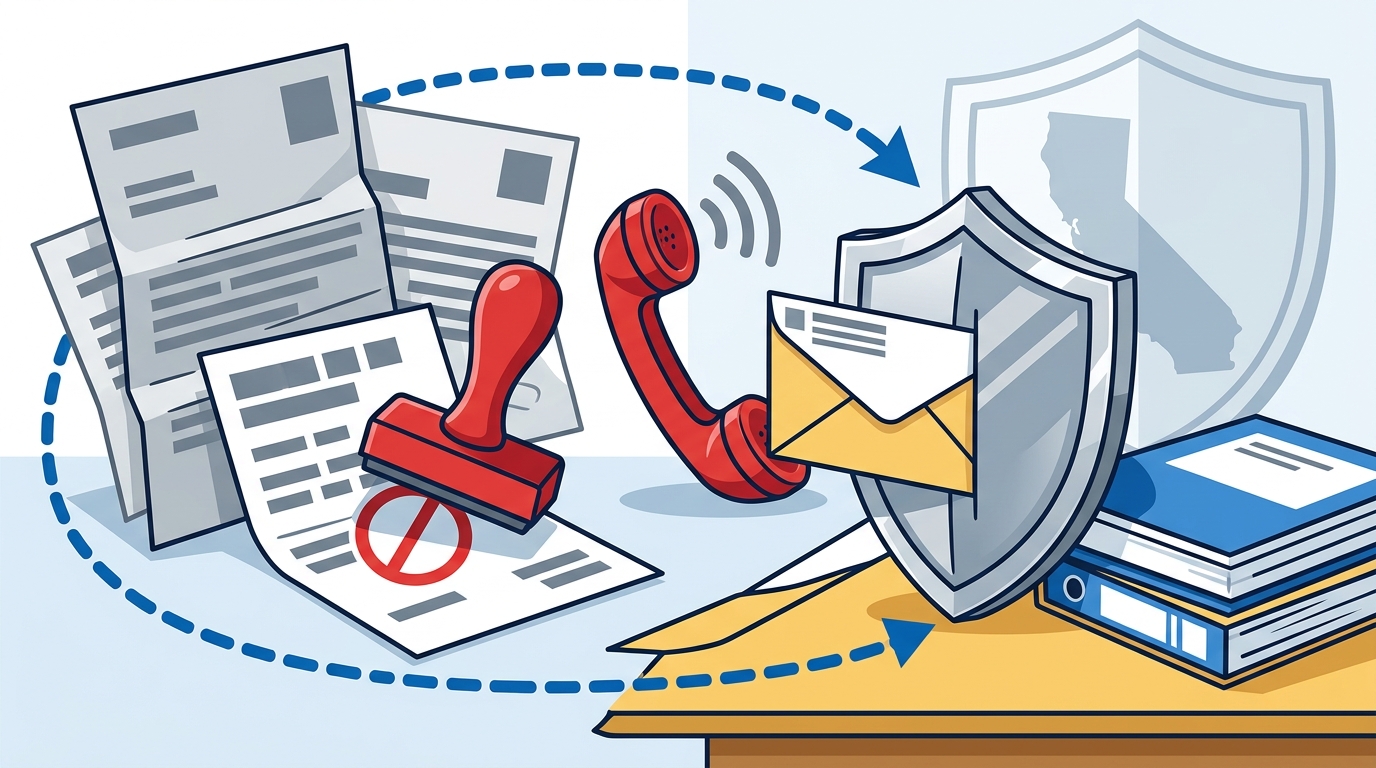
Creditors may violate the stay through various actions. Recognizing these behaviors is crucial for timely intervention. Common violations include continued phone calls demanding payment. They may also send letters threatening legal action. Wage garnishments often continue despite the filing date. Foreclosure auctions might proceed without court permission.
Another frequent violation involves reporting negative information to credit bureaus. Creditors sometimes update accounts as "current" or "paid" to manipulate credit scores. They may also attempt to repossess vehicles or other assets. These actions disrupt the debtor's ability to reorganize. Prompt identification allows for quicker legal recourse.
Documenting the Breach
Before taking legal action, you must gather concrete evidence. Courts require proof that the creditor knew of the bankruptcy filing. Keep records of all communications. Save copies of letters and emails. Document phone calls with dates and times. Note the names of representatives you speak with.
Bankruptcy notices are typically sent to creditors. Proof of service is vital. If a creditor claims they did not know, the court may still find liability if they should have known. Compile all financial statements showing continued charges. This documentation forms the foundation of your motion. Thorough records strengthen your position significantly.
Filing a Motion for Sanctions
The next step is filing a motion in the bankruptcy court. This document requests sanctions against the violating creditor. You must specify the nature of the violation. Detail the damages incurred due to the breach. This may include legal fees, emotional distress, and financial losses.
The court will review the motion and evidence. If the violation is found to be willful, the court may order the creditor to pay damages. In some cases, punitive damages are awarded. This serves as a deterrent against future violations. The process requires precision and adherence to local rules.
The Role of Legal Counsel
Navigating bankruptcy court procedures can be complex. An experienced attorney can guide you through the process. PM Bankruptcy specializes in protecting debtor rights in California. Our team understands the nuances of local court practices. We can help you draft effective motions and represent you in hearings.
Legal counsel ensures that your rights are fully asserted. They can negotiate with creditors to resolve issues quickly. Professional representation often leads to better outcomes. It also reduces the stress associated with legal proceedings. Trusting experts allows you to focus on your fresh start.
Key Takeaways
- The automatic stay immediately stops most collection activities upon filing.
- Creditors must be formally notified of the bankruptcy case.
- Willful violations can result in significant monetary sanctions.
- Documentation of all communications is essential for proof.
- Filing a motion for sanctions is the primary legal remedy.
- Attorney assistance improves the likelihood of successful resolution.
- California courts take stay violations seriously and enforce penalties.
Frequently Asked Questions
What is the automatic stay?
The automatic stay is a federal law that halts collection efforts against a debtor upon filing for bankruptcy.
Can a creditor ignore the stay?
No, creditors are legally bound to respect the stay. Violations can lead to severe penalties and sanctions.
How do I prove a violation?
You must provide evidence that the creditor knew of the filing and continued collection activities.
What damages can I recover?
You may recover actual damages, including legal fees and emotional distress, and potentially punitive damages.
Do I need a lawyer to file a motion?
While not strictly required, legal counsel greatly enhances the effectiveness of your motion.
How long does the process take?
The timeline varies, but motions are typically resolved within weeks of filing.
What if the creditor claims they didn't know?
If proper notice was sent, the court may still find them liable for willful violation.
Can I sue the creditor directly?
Usually, you must seek relief through the bankruptcy court via a motion for sanctions.
Protect Your Rights Today
If you are facing a creditor who is ignoring your bankruptcy filing, do not wait. Contact PM Bankruptcy for immediate assistance. Our team is ready to help you navigate the complexities of bankruptcy court. We provide expert guidance to ensure your rights are protected. Visit our contact page to schedule a consultation. Take the first step toward financial relief today.