

Financial distress in Sacramento often stems from a combination of stagnant wages and rising housing costs. According to recent economic reports, the median household income in the Sacramento-Roseville-Folsom metropolitan area has struggled to keep pace with inflation, leaving many residents vulnerable to unmanageable debt. This economic pressure makes understanding the legal exit strategies available in California essential for anyone facing foreclosure or creditor harassment. Chapter 7 bankruptcy, often called "liquidation bankruptcy," offers a fresh start by wiping out most unsecured debts. However, the process requires strict adherence to federal and state laws. This guide breaks down the exact steps you must take to file successfully in the Eastern District of California. (Contact Us)
Understanding Chapter 7 Bankruptcy
Chapter 7 bankruptcy is a legal process designed to eliminate most unsecured debts. It is the most common form of bankruptcy filed by individuals in California. The core mechanism involves the appointment of a trustee who oversees the case. This trustee may liquidate non-exempt assets to pay creditors. However, California exemption laws protect most personal property for filers in Sacramento. (Customer Experience)
Chapter 7 bankruptcy is a federal legal proceeding that allows individuals to discharge unsecured debts. Unlike Chapter 13, which requires a three-to-five-year repayment plan, Chapter 7 typically concludes within four to six months. This speed makes it an attractive option for those facing immediate financial collapse. The process is governed by the United States Bankruptcy Code. It applies uniformly across all federal districts, including the Eastern District of California.
Many residents in the Sacramento area turn to this option when facing overwhelming credit card debt or medical bills. The goal is not to avoid paying debts but to provide a legal framework for resolving them. It stops collection calls, wage garnishments, and foreclosure proceedings immediately upon filing. This automatic stay is one of the most powerful protections in bankruptcy law.
The Means Test and Eligibility
Before filing, you must determine if you qualify for Chapter 7. The primary hurdle is the "means test." This test compares your median income to the median income in California. If your income is below the state median, you automatically pass. If it is above, you must calculate your disposable income.
The means test determines if a filer has sufficient income to repay a portion of their debts. It uses data from the Internal Revenue Service and the Department of Justice. For 2024 and 2025, the median income figures are updated annually. Sacramento residents must use the specific median income for the state of California. This ensures that filers in high-cost areas are evaluated fairly.
If you fail the means test, you may still file under Chapter 13. This chapter involves a repayment plan rather than liquidation. However, for most Sacramento residents with moderate incomes, Chapter 7 remains the viable path. The test also considers your expenses. These include mortgage payments, car loans, and child support. Accurate expense reporting is critical for passing this stage.
Pre-Filing Credit Counseling
Federal law requires all bankruptcy filers to complete credit counseling before filing. This step is mandatory and non-negotiable. You must take a course from an approved agency. The course typically takes about 60 to 90 minutes. It covers budgeting, credit management, and financial planning.
Pre-filing credit counseling is a requirement for all bankruptcy petitions in the United States. The goal is to ensure you understand all available options before filing. It is not a therapy session but a factual overview of your financial situation. You will receive a certificate of completion upon finishing the course. This certificate must be filed with your bankruptcy petition.
Many agencies offer this course online. This convenience is helpful for busy Sacramento residents. You can complete the course from home or work. Ensure the agency is approved by the U.S. Trustee Program. Using an unapproved agency will result in your case being dismissed. Do not delay this step, as the certificate expires after 180 days.
Filing the Petition in Sacramento
2.The next step is preparing and filing your bankruptcy petition. This involves gathering extensive financial documentation. You must provide tax returns, pay stubs, bank statements, and debt details. Accuracy is paramount. Any omission can lead to dismissal or loss of assets.
Filing the petition initiates the legal bankruptcy process. It is submitted to the U.S. Bankruptcy Court for the Eastern District of California. The court has divisions in Sacramento, Fresno, and Reno. Sacramento filers typically submit documents to the Sacramento division. You can file electronically through the PACER system. This is the most efficient method for handling your case.
The filing fee is another critical consideration. As of 2024, the filing fee for Chapter 7 is $338. This fee can be paid in installments in some cases. However, it is best to pay in full to avoid complications. Once filed, your case number is assigned. This number is used for all future correspondence with the court.
Working with an experienced attorney is highly recommended. They can help you navigate the complex paperwork. They ensure that all exemptions are properly claimed. This protects your home, car, and other valuable assets. The team at PM Bankruptcy specializes in guiding Sacramento residents through this exact process. We help clients avoid common pitfalls that lead to case dismissal.
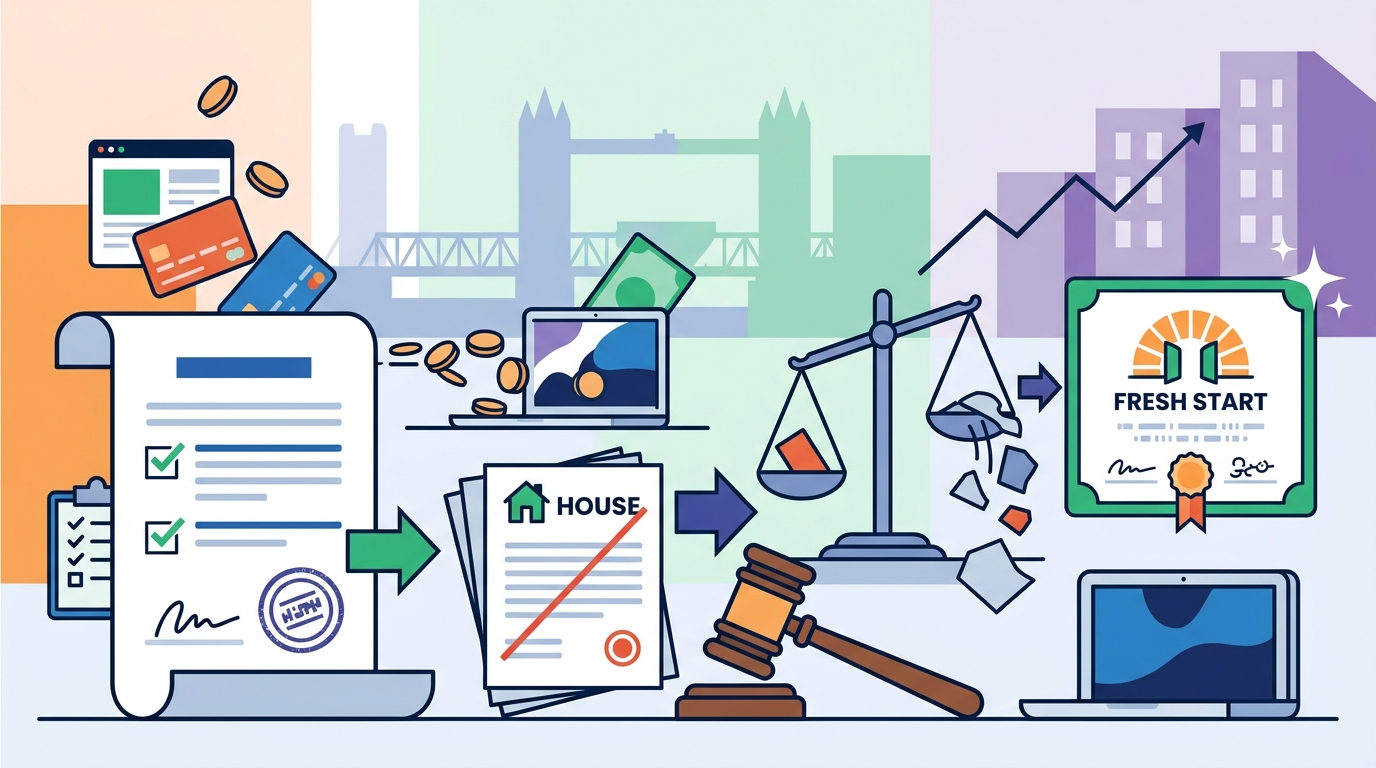
The 341 Meeting of Creditors
After filing, you will be scheduled for a 341 meeting. This is a mandatory hearing with the bankruptcy trustee. It usually occurs 20 to 40 days after filing. The meeting is held in the Sacramento courthouse. Creditors may attend but rarely do in Chapter 7 cases.
The 341 meeting is a formal hearing where the trustee verifies your identity and financial information. You must bring a government-issued photo ID and proof of Social Security number. The trustee will ask questions about your petition. Be honest and concise in your answers. Do not volunteer unnecessary information.
This meeting is not a trial. It is an administrative proceeding. The trustee is looking for inconsistencies in your paperwork. If the trustee finds hidden assets or fraudulent transfers, they may object to your discharge. Prepare thoroughly for this meeting. Review your petition carefully before attending. Ensure all documents are organized and accessible.
For Sacramento residents, the 341 meeting is typically held at the U.S. Bankruptcy Court in downtown Sacramento. The address is 501 I Street, Sacramento, CA 95814. Plan your travel time accordingly. Parking can be difficult in the downtown area. Arrive at least 15 minutes early to clear security.
Receiving Your Discharge
If everything goes smoothly, you will receive a discharge order. This is the final step in the Chapter 7 process. The discharge order eliminates your legal obligation to pay most debts. Creditors are prohibited from attempting to collect these debts. This includes credit cards, medical bills, and personal loans.
The discharge order is issued by the bankruptcy judge. It typically arrives 60 to 90 days after the 341 meeting. Once received, you are legally free from the discharged debts. However, some debts are not dischargeable. These include student loans, child support, and recent tax debts. You must continue paying these obligations.
Receiving a discharge is a significant financial milestone. It allows you to rebuild your credit and financial health. You can start saving money and planning for the future. Many Sacramento residents report feeling a sense of relief after receiving their discharge. The burden of debt is lifted, allowing for a fresh start.
If you have questions about the discharge process, contact PM Bankruptcy for guidance. We can help you understand which debts are dischargeable in your specific case. Our team is dedicated to helping Sacramento residents achieve financial freedom.
Key Takeaways
- Chapter 7 bankruptcy eliminates most unsecured debts for Sacramento residents.
- The means test determines eligibility based on California median income.
- Pre-filing credit counseling is mandatory and must be completed before filing.
- The 341 meeting is a required hearing with the bankruptcy trustee.
- Discharge typically occurs 60 to 90 days after the 341 meeting.
- California exemptions protect most personal property from liquidation.
- Filing in the Eastern District of California requires specific local procedures.
Frequently Asked Questions
How long does Chapter 7 bankruptcy take in Sacramento?
The process typically takes four to six months from filing to discharge. This timeline includes the waiting period for the 341 meeting and the subsequent discharge order. Delays can occur if the trustee requires additional information.
Will I lose my house if I file Chapter 7?
Most Sacramento homeowners do not lose their homes due to California homestead exemptions. These exemptions protect a certain amount of equity in your primary residence. If your equity is below the exemption limit, your home is safe.
What is the cost of filing Chapter 7 bankruptcy?
The filing fee is $338 as of 2024. This fee is paid to the U.S. Bankruptcy Court. Additional costs may include attorney fees and credit counseling fees. PM Bankruptcy offers transparent pricing for all services.
Can I file Chapter 7 bankruptcy more than once?
Yes, but there are waiting periods. You must wait eight years from a previous Chapter 7 discharge to file another Chapter 7 case. If you previously filed Chapter 13, the waiting period may be six years.
Do I need an attorney to file in Sacramento?
While not legally required, it is highly recommended. Bankruptcy law is complex and error-prone. An attorney can help you navigate the process and protect your assets. PM Bankruptcy provides experienced legal representation for Sacramento residents.
Start Your Fresh Start Today
Filing for Chapter 7 bankruptcy in Sacramento is a complex but manageable process. By following these steps and seeking professional guidance, you can achieve financial relief. Do not let debt control your life. Take the first step toward a fresh start today. Contact PM Bankruptcy to schedule your consultation. Our team is ready to help you navigate this journey with confidence and clarity.