

Choosing the right bankruptcy path is one of the most critical financial decisions you will make. According to recent data from the Administrative Office of the United States Courts, Chapter 7 filings consistently represent the majority of consumer bankruptcy cases, yet Chapter 13 remains the preferred route for homeowners seeking to save their property. Understanding the mechanical differences between these two chapters is essential for determining which legal framework aligns with your specific debt profile and asset protection goals.
Core Mechanics of Debt Relief
The fundamental distinction between Chapter 7 and Chapter 13 lies in how debts are discharged and how creditors are treated during the process. Chapter 7 is often referred to as "liquidation bankruptcy." In this scenario, a court-appointed trustee reviews your assets. While most consumer assets are exempt, non-exempt property may be sold to pay off creditors. However, the primary goal is the rapid discharge of unsecured debts such as credit card balances and medical bills.
Chapter 13, known as "reorganization bankruptcy," functions differently. It allows you to keep your property while repaying all or a portion of your debts over a three-to-five-year period. This chapter is particularly useful for individuals who have regular income and wish to catch up on missed mortgage payments or car loans. The structure of Chapter 13 provides a legal shield against foreclosure and repossession while you adhere to the court-approved repayment plan.
For a detailed breakdown of the timeline involved in filing for Chapter 7, you can review our Chapter 7 Bankruptcy Timeline guide. Understanding the procedural steps helps reduce anxiety and ensures you meet all critical deadlines.
Asset Protection and Exemptions
Asset protection is often the deciding factor for many filers. Chapter 7 relies heavily on state and federal exemption laws. If your home equity exceeds the exemption limit in your jurisdiction, you might lose the property. Conversely, Chapter 13 allows you to retain all your assets, provided you pay creditors at least as much as they would receive in a Chapter 7 liquidation. This makes Chapter 13 ideal for those with significant non-exempt assets.
Exemptions vary significantly by state. In some jurisdictions, you can choose between state and federal exemption lists. It is crucial to consult with a legal professional to determine which exemptions apply to your specific situation. For more insights into the procedural aspects of Chapter 13, including how the repayment plan is structured, visit our Chapter 13 Bankruptcy Timeline resource.
Chapter 13 is also beneficial for those who have previously filed for Chapter 7. If you received a discharge in a Chapter 7 case within the last eight years, you may still be eligible for Chapter 13 relief. This provides a second chance to manage debt without the immediate threat of asset liquidation.
Repayment Structure and Duration
The duration of the bankruptcy process differs markedly between the two chapters. Chapter 7 cases are typically concluded within four to six months from the filing date. This rapid resolution provides immediate relief from creditor harassment and wage garnishments. Once the discharge is granted, you are no longer legally obligated to pay the discharged debts.
In contrast, Chapter 13 requires a long-term commitment. The repayment plan lasts between three and five years, depending on your income relative to the median income in your state. During this period, you make monthly payments to a trustee, who then distributes the funds to your creditors. This structure ensures that you remain current on secured debts while gradually addressing unsecured obligations.
The predictability of Chapter 13 payments can be advantageous for budgeting. However, it requires strict adherence to the plan. Missing payments can result in the dismissal of your case, leaving you vulnerable to creditor actions. For personalized guidance on navigating these complex timelines, you can contact Pete directly for a consultation.
Eligibility and Income Requirements
Not everyone qualifies for both types of bankruptcy. Chapter 7 eligibility is determined by a means test. This test compares your median income to the median income in your state for a household of your size. If your income is below the median, you likely qualify for Chapter 7. If your income is above the median, the test calculates your disposable income to determine if you can repay a portion of your debts.
Chapter 13 has different eligibility criteria. You must have a regular source of income to fund the repayment plan. Additionally, there are debt limits. As of recent updates, unsecured debts must be less than $2,750,000, and secured debts must be less than $2,750,000. These limits are adjusted periodically for inflation. If your debts exceed these thresholds, you may need to explore other debt relief options.
Understanding your eligibility is the first step in the process. A thorough financial review can clarify which chapter is viable for your circumstances. For more information on the initial steps of filing, you can visit our homepage to learn more about our services.
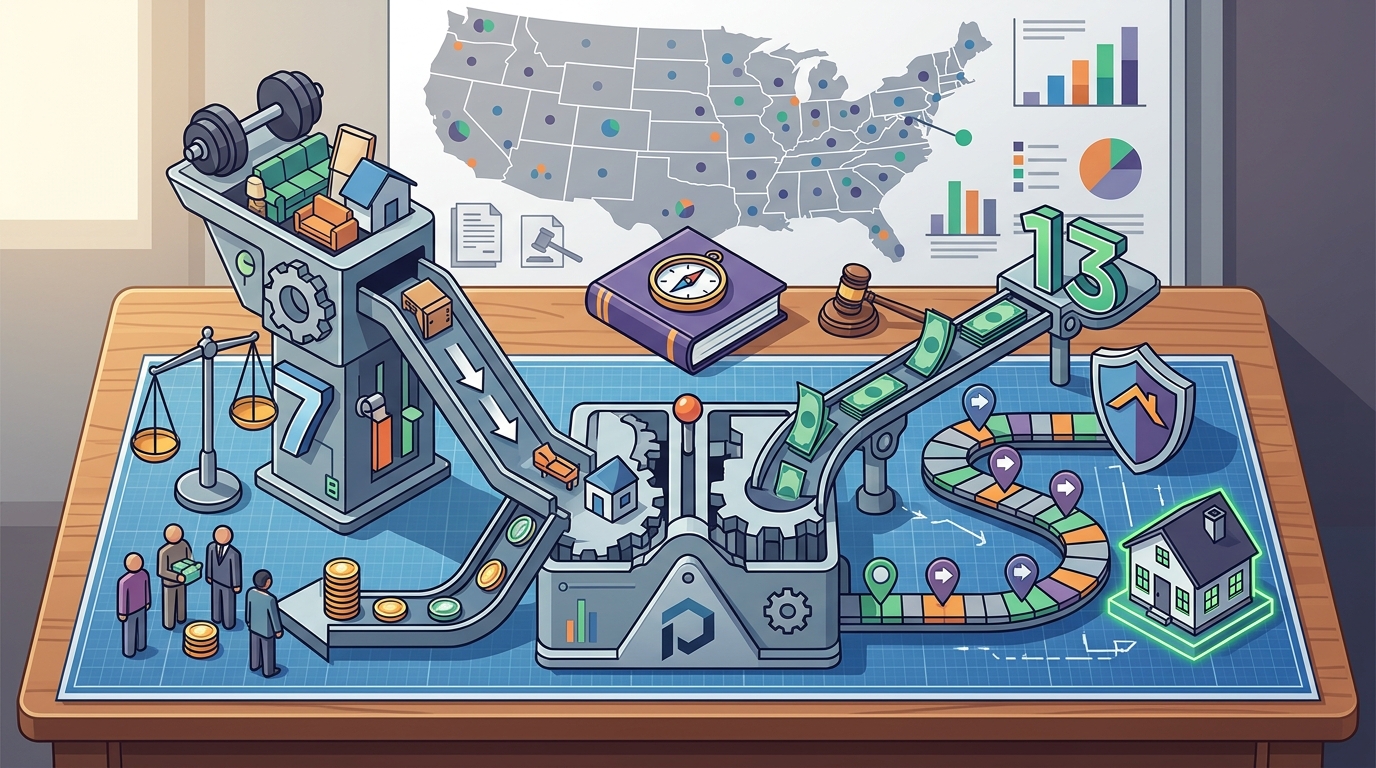
Detailed Comparison Overview
The following table summarizes the key differences between Chapter 7 and Chapter 13 bankruptcy. This comparison highlights the structural, financial, and procedural distinctions that influence your choice.
| Feature | Chapter 7 | Chapter 13 |
|---|---|---|
| Primary Goal | Quick debt discharge | Debt reorganization and asset retention |
| Duration | 4-6 months | 3-5 years |
| Asset Risk | Non-exempt assets may be liquidated | Assets retained if payments are made |
| Income Requirement | Passes means test | Regular income required |
| Debt Limits | No debt limits | Secured: $2,750,000; Unsecured: $2,750,000 |
| Credit Impact | Remains on report for 10 years | Remains on report for 7 years |
For a deeper dive into the specific legal requirements of each chapter, you can read our Chapter 7 Bankruptcy Timeline or Chapter 13 Bankruptcy Timeline articles.
Key Takeaways
- Speed of Relief: Chapter 7 offers a faster resolution, typically discharging debts within six months, whereas Chapter 13 requires a multi-year commitment.
- Asset Retention: Chapter 13 is superior for protecting non-exempt assets and preventing foreclosure, provided you can maintain the repayment plan.
- Income Thresholds: Chapter 7 eligibility is strictly governed by the means test, which evaluates your disposable income against state medians.
- Credit Report Duration: Chapter 7 filings remain on your credit report for ten years, while Chapter 13 filings remain for seven years from the filing date.
- Debt Caps: Chapter 13 has strict debt limits, excluding those with debts exceeding $2.75 million in both secured and unsecured categories.
- Foreclosure Protection: Chapter 13 provides an automatic stay that halts foreclosure proceedings, allowing you to catch up on missed mortgage payments.
- Professional Guidance: Navigating the complexities of bankruptcy law requires expert advice to avoid procedural pitfalls and maximize asset protection.
Frequently Asked Questions
Can I file for Chapter 13 if I have already filed Chapter 7?
Yes, you can file for Chapter 13 bankruptcy even if you have previously received a discharge in a Chapter 7 case. However, there are timing restrictions. If you received a Chapter 7 discharge within the last eight years, you are generally ineligible for another Chapter 7 discharge, but Chapter 13 remains an option.
What happens to my credit score after filing?
Filing for bankruptcy will initially lower your credit score. However, the impact diminishes over time. Chapter 7 remains on your credit report for ten years, while Chapter 13 remains for seven years. Many individuals find that their credit score improves within a few years of discharge as they rebuild their financial habits.
Do I have to pay all my debts in Chapter 13?
No, you do not have to pay all your debts in full. The repayment plan is based on your disposable income and the value of your non-exempt assets. Secured debts and priority debts, such as taxes and child support, are typically paid in full, while unsecured debts may be paid at a reduced percentage.
How does the means test work for Chapter 7?
The means test compares your median income to the median income in your state. If your income is below the median, you automatically qualify. If it is above, the test calculates your disposable income after allowable expenses. If your disposable income is below a certain threshold, you may still qualify for Chapter 7.
Can I keep my car in Chapter 7?
Yes, you can keep your car in Chapter 7 if the equity in the vehicle is covered by exemption laws. If you are behind on payments, you may need to reaffirm the debt or redeem the vehicle to retain ownership. For more details on the process, you can contact Pete for a consultation.
What is the difference in legal fees between Chapter 7 and Chapter 13?
Chapter 7 fees are typically lower because the case is shorter and less complex. Chapter 13 fees are higher due to the longer duration and the ongoing management of the repayment plan. However, Chapter 13 fees can often be included in the repayment plan, reducing the upfront cost.
Will creditors still contact me after filing?
Once you file for bankruptcy, an automatic stay goes into effect. This legal order prohibits creditors from contacting you, collecting debts, or pursuing legal action. Violation of the automatic stay can result in penalties for the creditors. If you continue to receive calls, your attorney can take legal action to enforce the stay.
Can I discharge student loans in bankruptcy?
Generally, student loans are not dischargeable in bankruptcy. However, you can file an adversary proceeding to prove "undue hardship." This is a difficult legal standard to meet, and success rates are low. It is essential to discuss your specific student loan situation with a bankruptcy attorney.
Next Steps
Deciding between Chapter 7 and Chapter 13 requires a careful analysis of your financial situation, assets, and long-term goals. The right choice can provide a fresh start or a path to financial stability. Do not navigate this complex process alone. Our team at PM Bankruptcy is dedicated to providing clear, compassionate, and expert legal guidance.
Take the first step toward financial freedom today. Visit our homepage to schedule your consultation and learn how we can help you achieve your debt relief goals.