

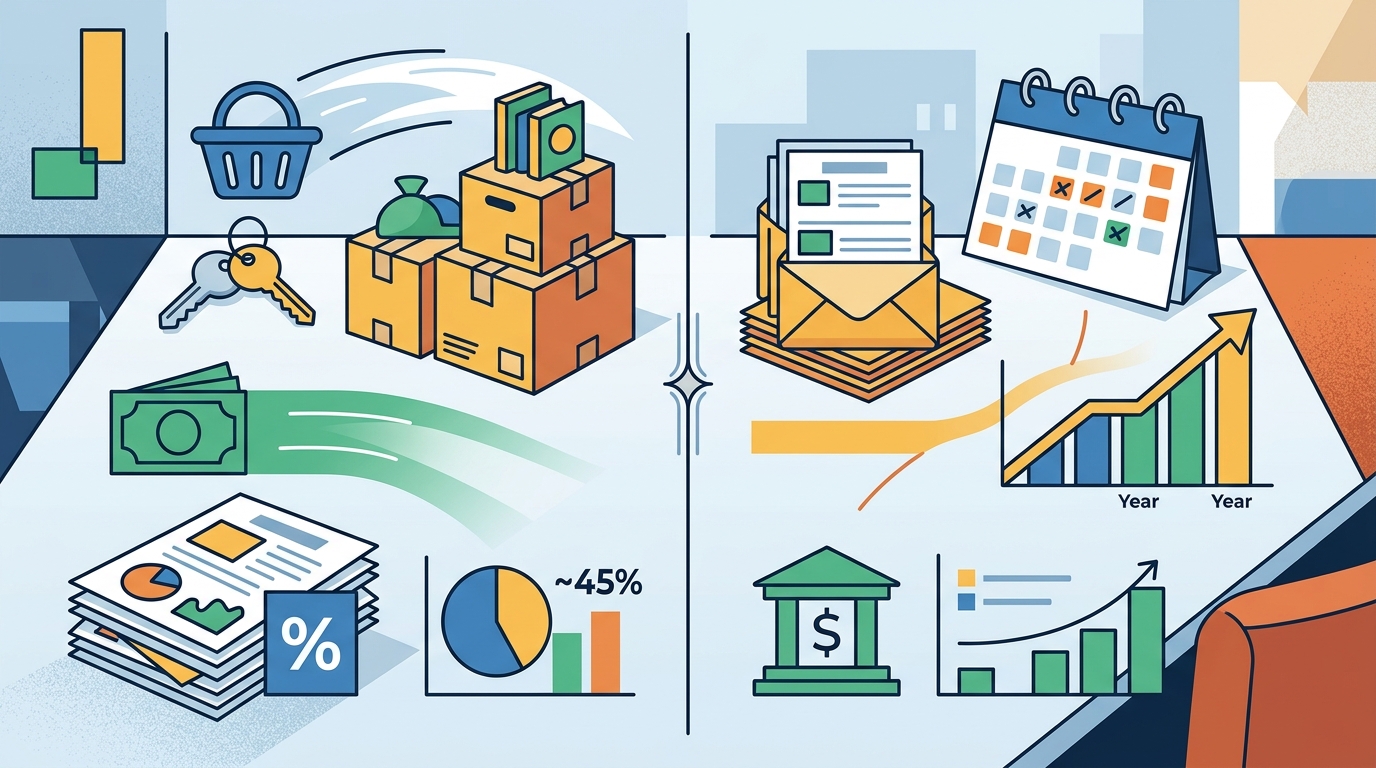
Choosing between Chapter 7 and Chapter 13 bankruptcy is one of the most critical financial decisions a debtor can make. The path you select determines whether you can wipe out debt quickly or restructure payments over time. According to the American Bankruptcy Institute, Chapter 7 filings consistently account for approximately 40 to 45 percent of all personal bankruptcy cases filed annually. This statistic highlights that liquidation remains the most popular route for individuals seeking immediate financial relief. However, the wrong choice can lead to asset loss or prolonged financial entanglement. Understanding the mechanics of each chapter is essential for protecting your future. (What is the) (Contact Us)
Eligibility Requirements and Income Tests
The primary barrier to entry for Chapter 7 is the means test. This legal formula compares your median income to the median income for a household of your size in your state. If your income is significantly below the median, you likely qualify for Chapter 7. This chapter is designed for individuals with limited disposable income who cannot realistically repay their debts. The goal is to provide a fresh start to those who are genuinely unable to pay. (Chapter 7 vs) (Frequently Asked Questions)
Chapter 13 operates differently. It is often referred to as a wage earner's plan because it requires a steady source of income. You must demonstrate the ability to make regular monthly payments to a trustee. The court will review your budget to ensure you can afford the proposed repayment plan while still covering basic living expenses. If you are self-employed or have irregular income, Chapter 13 may be more challenging to sustain, though not impossible. (What is the)
Another critical eligibility factor is the timing of previous bankruptcies. You cannot file for Chapter 7 if you received a discharge in a previous Chapter 7 case within the last eight years. Similarly, a Chapter 13 discharge obtained within the last two years may block a new Chapter 7 filing. These time limits prevent abuse of the bankruptcy system and ensure that debt relief is used for genuine hardship rather than strategic avoidance.
Asset Protection and Exemptions
One of the most feared aspects of bankruptcy is the loss of property. Chapter 7 is known as liquidation bankruptcy. In this process, a court-appointed trustee may sell non-exempt assets to pay creditors. However, most individuals qualify for exemptions that protect their home, car, and personal belongings. The specific exemptions depend on state law. Some states allow you to choose between federal and state exemption lists, while others mandate the use of state-specific rules. (Chapter 7 vs)
Chapter 13 offers superior protection for assets that would otherwise be lost in Chapter 7. Instead of selling your property, you keep it while making payments through your repayment plan. This is particularly valuable for homeowners who are behind on mortgage payments. Chapter 13 allows you to cure the default over time, keeping your home while you catch up on missed payments. This feature makes it an attractive option for those with significant equity in their primary residence.
Vehicle owners also benefit from Chapter 13's structure. If you owe more on your car than it is worth, you can often pay only the current market value through the plan. This process, known as a cramdown, can significantly reduce the principal balance you are responsible for. In contrast, Chapter 7 does not allow you to reduce the principal on secured debts. You must pay the full loan amount or surrender the vehicle.
Debt Discharge and Creditor Impact
The ultimate goal of bankruptcy is debt relief, but the scope of discharge varies between chapters. Chapter 7 provides a broad discharge of unsecured debts. This includes credit card balances, medical bills, personal loans, and utility debts. Once the case is closed, these debts are legally extinguished. Creditors are prohibited from attempting to collect them. This immediate relief allows debtors to move forward without the burden of past obligations. (Bankruptcy Statistics Updated)
Chapter 13 does not discharge all debts. It focuses on reorganizing payments rather than eliminating them entirely. Some debts, such as student loans and tax obligations, are generally non-dischargeable in both chapters unless specific hardship criteria are met. However, Chapter 13 may allow you to pay a smaller percentage of unsecured debts through the plan. Any remaining balance on those specific debts may be discharged at the end of the plan term.
Creditor behavior also differs between the two processes. In Chapter 7, the automatic stay halts collection activities immediately. Creditors must stop calling, suing, or garnishing wages. In Chapter 13, the automatic stay also applies, but creditors may object to the repayment plan if they believe it does not meet legal standards. The court must confirm the plan before payments begin. This confirmation process ensures that the plan is feasible and fair to all parties involved.
Repayment Structure and Duration
Chapter 7 cases are typically short. The process usually takes three to six months from filing to discharge. This speed is a major advantage for those seeking immediate relief. There are no monthly payments to a trustee. Instead, the trustee administers the liquidation of any non-exempt assets. Once the case is closed, the debtor is free from the discharged debts. This rapid resolution allows for quicker financial recovery.
Chapter 13 plans last three to five years. The duration depends on your income relative to the state median. If your income is below the median, the plan may be three years. If it is above, it is typically five years. During this time, you make monthly payments to a trustee, who distributes the funds to creditors. This long-term commitment requires strict financial discipline and budgeting.
The structure of Chapter 13 payments is prioritized by law. Secured debts and priority claims, such as taxes and child support, must be paid in full. Unsecured debts receive whatever is left after these priorities are satisfied. This means that unsecured creditors may receive only a fraction of what they are owed. However, the debtor retains their assets and avoids foreclosure or repossession during the plan period.
Cost Comparison and Attorney Fees
Understanding the financial costs of each chapter is crucial for decision-making. Chapter 7 generally has lower court filing fees and attorney fees. The simplicity of the process reduces legal complexity. However, the potential loss of non-exempt assets can be a hidden cost. If you have valuable property that is not protected by exemptions, you may lose it to satisfy creditors.
Chapter 13 involves higher overall costs due to the longer duration and more complex administration. Court filing fees are higher, and attorney fees are typically larger due to the extended workload. Additionally, you must pay ongoing monthly amounts to the trustee. These payments are part of your repayment plan and can add up significantly over three to five years. Despite the higher costs, the value of keeping your home and car may outweigh the financial burden.
Both chapters require credit counseling before filing and a financial management course after filing. These courses are mandatory and must be completed through approved agencies. The cost of these courses is relatively low but is an additional expense to consider. Some attorneys include these fees in their overall package, so it is important to clarify what is included in your legal representation.
Key Takeaways
- Chapter 7 is liquidation: It wipes out unsecured debts quickly but may require surrendering non-exempt assets.
- Chapter 13 is reorganization: It allows you to keep assets while repaying debts over three to five years.
- Income limits matter: Chapter 7 requires passing a means test based on your median income.
- Asset protection: Chapter 13 is better for protecting homes from foreclosure and cars from repossession.
- Duration differences: Chapter 7 takes months, while Chapter 13 takes years of committed payments.
- Debt types: Both chapters handle secured and unsecured debts differently, affecting discharge outcomes.
- Legal guidance: Consulting with a bankruptcy attorney is essential to determine the best path for your situation.
Frequently Asked Questions
Can I keep my house in Chapter 7 bankruptcy?
You can keep your house in Chapter 7 if the equity in your home is covered by state or federal homestead exemptions. If your equity exceeds the exemption limit, the trustee may sell the home to pay creditors. However, many homeowners qualify for sufficient exemptions to protect their property entirely.
Does Chapter 13 stop foreclosure?
Yes, filing for Chapter 13 triggers an automatic stay that immediately stops foreclosure proceedings. This gives you time to catch up on missed mortgage payments through your repayment plan. As long as you continue making your regular mortgage payments plus the plan payment, you can keep your home.
What is the means test in Chapter 7?
The means test is a mathematical formula used to determine if you qualify for Chapter 7. It compares your income to the median income in your state and deducts allowed expenses. If your disposable income is below a certain threshold, you pass the test and can file for Chapter 7.
How long does Chapter 13 last?
A Chapter 13 plan typically lasts three to five years. If your income is below the state median, the plan may be three years. If your income is above the median, the plan is usually five years. The exact duration is determined by your financial situation and court approval.
Can I discharge student loans in bankruptcy?
Student loans are generally difficult to discharge in both Chapter 7 and Chapter 13. You must prove undue hardship through a separate adversary proceeding. This is a high legal bar to meet, and success is rare. However, Chapter 13 may allow you to reduce monthly payments during the plan period.
What happens to credit card debt in Chapter 13?
In Chapter 13, credit card debt is included in your repayment plan. You do not pay the full balance if you cannot afford it. Instead, you pay a portion of the debt through your monthly plan payments. Any remaining balance on unsecured debts like credit cards is typically discharged at the end of the plan.
Is Chapter 7 better than Chapter 13?
Chapter 7 is often better for those with low income and few assets who want quick relief. Chapter 13 is better for those with regular income who need to protect assets or catch up on secured debts. The best choice depends on your specific financial circumstances and goals.
Take Control of Your Financial Future
Navigating the complexities of bankruptcy requires expert guidance. The difference between Chapter 7 and Chapter 13 can significantly impact your financial recovery. Do not navigate this process alone. Contact PM Bankruptcy today to schedule a consultation. Our experienced team will help you determine the best path forward and protect your assets. Visit our bankruptcy services page to learn more about how we can assist you. Take the first step toward financial freedom by calling our office now.