

How Long Does the Bankruptcy Process Take? Timeline & Steps Explained
The journey from financial distress to a fresh start is rarely instantaneous. According to recent legal industry data, the average duration for a Chapter 7 bankruptcy case is approximately four months, while Chapter 13 cases typically span three to five years. This variance is not arbitrary but is dictated by federal bankruptcy codes, court schedules, and the specific complexity of your financial portfolio. Understanding these timelines is critical for managing expectations and planning your financial recovery effectively. (Contact Us)
Chapter 7 Bankruptcy Timeline
Chapter 7 bankruptcy, often referred to as liquidation bankruptcy, is the most common form for individuals seeking debt relief. It is designed for those who meet specific income requirements and wish to discharge unsecured debts such as credit card balances and medical bills. (Customer Experience)
Initial Consultation and Filing
The process begins with a thorough consultation to determine eligibility. Once you decide to proceed, your attorney prepares and files the petition with the bankruptcy court. This initial filing triggers an automatic stay, which immediately halts most collection actions, including wage garnishments and foreclosure proceedings. The speed of this phase depends largely on how quickly you can gather the necessary financial documents, including tax returns and proof of income. (Frequently Asked Questions)
The Meeting of Creditors
Approximately 20 to 40 days after filing, you will attend the Meeting of Creditors, also known as the 341 meeting. This is a mandatory appearance before a court-appointed trustee. While creditors may attend, they rarely do in standard consumer cases. The trustee’s role is to verify your identity and ensure the accuracy of your petition. This meeting is typically brief, lasting only a few minutes. (About)
Discharge of Debts
Following the 341 meeting, there is a 60-day waiting period during which creditors can object to the discharge of specific debts. If no objections are filed, the court will issue a discharge order. This usually occurs about 60 to 90 days after the 341 meeting. For many filers, the entire process from initial consultation to discharge takes roughly four months. This rapid resolution is a primary advantage of Chapter 7, allowing for a quicker financial reset.
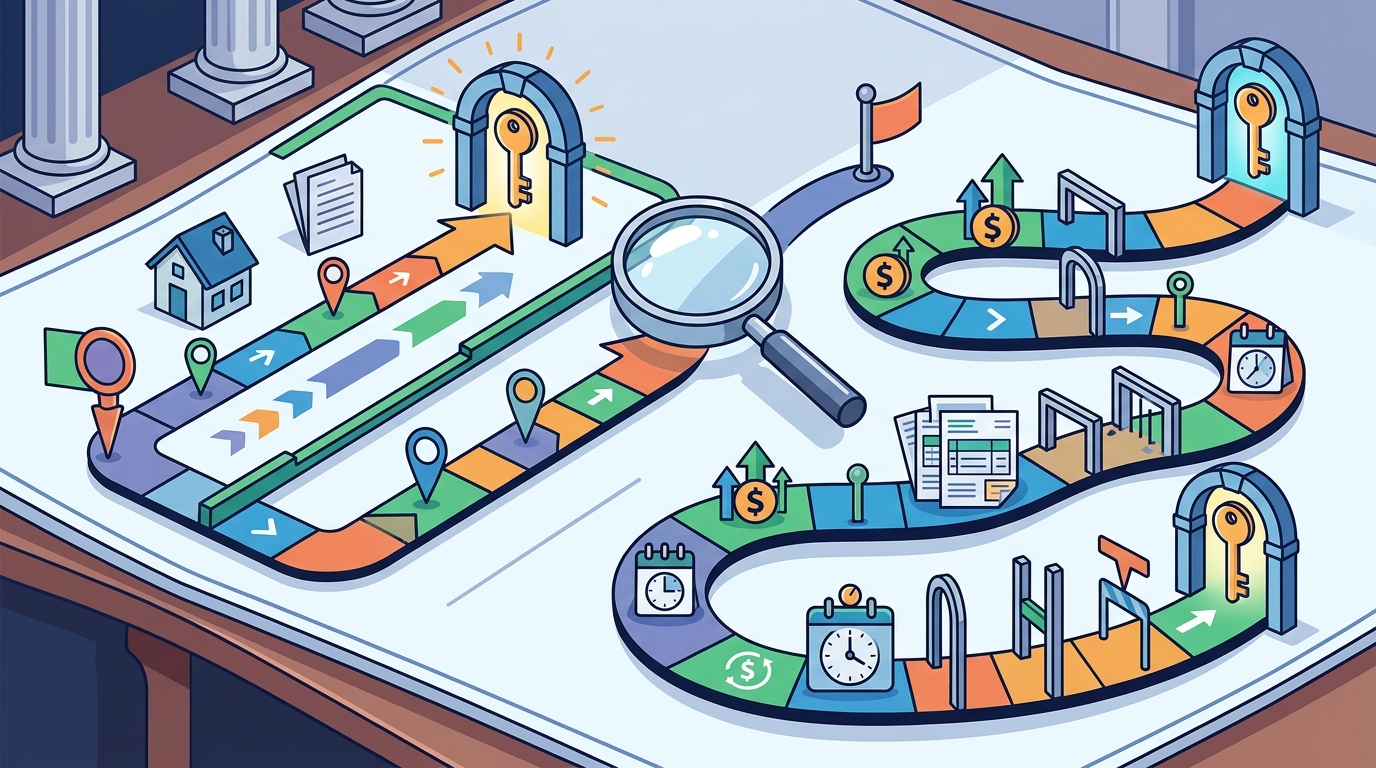
Chapter 13 Bankruptcy Timeline
Chapter 13 bankruptcy is a reorganization plan designed for individuals with a regular income who wish to keep their property, such as a home, while catching up on missed payments. Unlike Chapter 7, this process involves a long-term repayment plan.
Plan Confirmation
After filing your petition, you must submit a repayment plan to the court. This plan outlines how you will pay your creditors over a period of three to five years. The court must confirm this plan, which typically happens within a few months of filing. During this time, you begin making monthly payments to a chapter 13 trustee, who then distributes the funds to your creditors.
Repayment Period
The core of the Chapter 13 timeline is the repayment period itself. If your income is below the state median, your plan will likely be three years. If your income is above the median, the plan is typically five years. During this time, you must maintain your current payment obligations on secured debts, such as mortgages and car loans, in addition to your bankruptcy plan payments.
Completion and Discharge
Upon successful completion of the repayment plan, you will receive a discharge of remaining eligible debts. This discharge releases you from personal liability for certain debts that were included in the plan. The entire process, from filing to discharge, generally takes between three and five years. While longer than Chapter 7, Chapter 13 offers the benefit of retaining assets and potentially reducing the principal on some secured debts.
Factors That Affect Case Duration
While the general timelines provide a framework, several variables can extend or shorten the duration of your bankruptcy case. Understanding these factors can help you navigate the process more efficiently.
Court Backlogs and Scheduling
The efficiency of your case is heavily influenced by the local bankruptcy court’s schedule. Some districts experience significant backlogs, which can delay the scheduling of the 341 meeting or the issuance of the discharge order. According to federal judicial statistics, court processing times can vary widely by region, impacting the overall timeline for filers in different jurisdictions.
Complexity of Assets
If you have complex assets, such as business interests, real estate in multiple states, or disputed property claims, the case will take longer. The trustee may need additional time to evaluate these assets, and legal proceedings may be required to resolve disputes. Simple cases with few assets and clear income structures are processed more quickly.
Cooperation and Documentation
Your responsiveness plays a crucial role. Delays in providing required documents, such as tax returns or pay stubs, can stall the case. Additionally, if the trustee or creditors raise objections, the case may require additional hearings and legal briefs, extending the timeline. Proactive communication with your attorney can help mitigate these delays.
Comparison of Bankruptcy Types
Choosing the right type of bankruptcy depends on your financial situation and goals. The table below summarizes the key differences in timeline and structure.
| Feature | Chapter 7 | Chapter 13 |
|---|---|---|
| Average Duration | 4 to 6 months | 3 to 5 years |
| Primary Goal | Debt Discharge | Debt Reorganization |
| Asset Retention | Non-exempt assets may be liquidated | Assets are retained if payments are made |
| Income Requirement | Must pass means test | Must have regular income |
| Best For | Those with low income and unsecured debt | Those needing to catch up on secured debts |
Key Takeaways
- Chapter 7 bankruptcy typically concludes in four to six months, offering a rapid path to debt discharge.
- Chapter 13 bankruptcy requires a repayment plan lasting three to five years, allowing for asset retention.
- The 341 Meeting of Creditors is a mandatory step that occurs roughly 20 to 40 days after filing.
- Court backlogs and case complexity are significant variables that can extend the timeline beyond averages.
- Timely submission of financial documents is critical to avoiding unnecessary delays in your case.
- Automatic stay protections begin immediately upon filing, stopping most collection activities.
- PM Bankruptcy provides specialized guidance to navigate these timelines efficiently and effectively.
Frequently Asked Questions
Can the bankruptcy process be sped up?
While you cannot control court schedules, you can speed up the process by providing all required documents promptly and responding quickly to trustee inquiries. Delays often stem from missing paperwork or incomplete filings.
What happens if creditors object to my discharge?
If creditors object, the case may require additional legal proceedings. This can extend the timeline significantly, potentially adding months or even years to the process. Your attorney will defend against these objections.
Is it possible to file for bankruptcy twice?
Yes, but there are waiting periods. You must wait eight years from a previous Chapter 7 discharge to file another Chapter 7, and six years from a Chapter 7 to file Chapter 13. Conversely, you can file Chapter 13 two years after a Chapter 7 discharge.
Does bankruptcy affect my credit score immediately?
Yes, filing for bankruptcy will negatively impact your credit score. However, the impact diminishes over time, and many individuals begin rebuilding their credit shortly after discharge. PM Bankruptcy can advise on post-bankruptcy credit repair strategies.
How do I know which chapter is right for me?
The choice depends on your income, assets, and debt types. A means test determines Chapter 7 eligibility, while Chapter 13 is for those with regular income who need to reorganize debt. A consultation with PM Bankruptcy can clarify the best option.
Are all debts discharged in bankruptcy?
No. Certain debts, such as student loans, child support, and alimony, are generally not dischargeable. Tax debts and fines may also be excluded depending on specific circumstances.
What is the automatic stay?
The automatic stay is a legal provision that immediately stops most collection actions against you or your property upon filing. This includes lawsuits, wage garnishments, and foreclosure proceedings.
Contact PM Bankruptcy
Navigating the bankruptcy process requires expert guidance to ensure you meet all deadlines and maximize your financial recovery. At PM Bankruptcy, we provide personalized legal strategies tailored to your unique situation. Whether you are considering Chapter 7 or Chapter 13, our team is here to help you understand the timeline and achieve a fresh start. Contact PM Bankruptcy today to schedule your confidential consultation and take the first step toward financial freedom.