

According to the U.S. Courts, over 600,000 individuals filed for personal bankruptcy in 2023, seeking relief from overwhelming financial obligations. This surge in filings highlights the critical role bankruptcy plays in providing a fresh start for struggling households. Understanding which obligations can be eliminated is essential for making informed financial decisions. Our team at PM Bankruptcy analyzes your unique situation to determine the best path forward. Explore our bankruptcy services to learn how we can assist you.
Understanding the Bankruptcy Discharge Process
A bankruptcy discharge is a court order that permanently stops creditors from taking any collection actions against you for specific debts. This legal mechanism is the primary goal for most filers seeking relief. The discharge eliminates your personal liability for the covered obligations. Creditors are prohibited from contacting you or pursuing legal action after the order is granted. You can review our about page to learn more about our firm's commitment to client success.
The discharge occurs at the conclusion of your bankruptcy case. In Chapter 7, this typically happens within four to six months after filing. Chapter 13 filers receive a discharge after completing their repayment plan. The court reviews your compliance with all requirements before issuing the order. Our attorneys guide you through every step to ensure a smooth process. Schedule a consultation to discuss your specific case details.
Common Dischargeable Debts You Can Eliminate
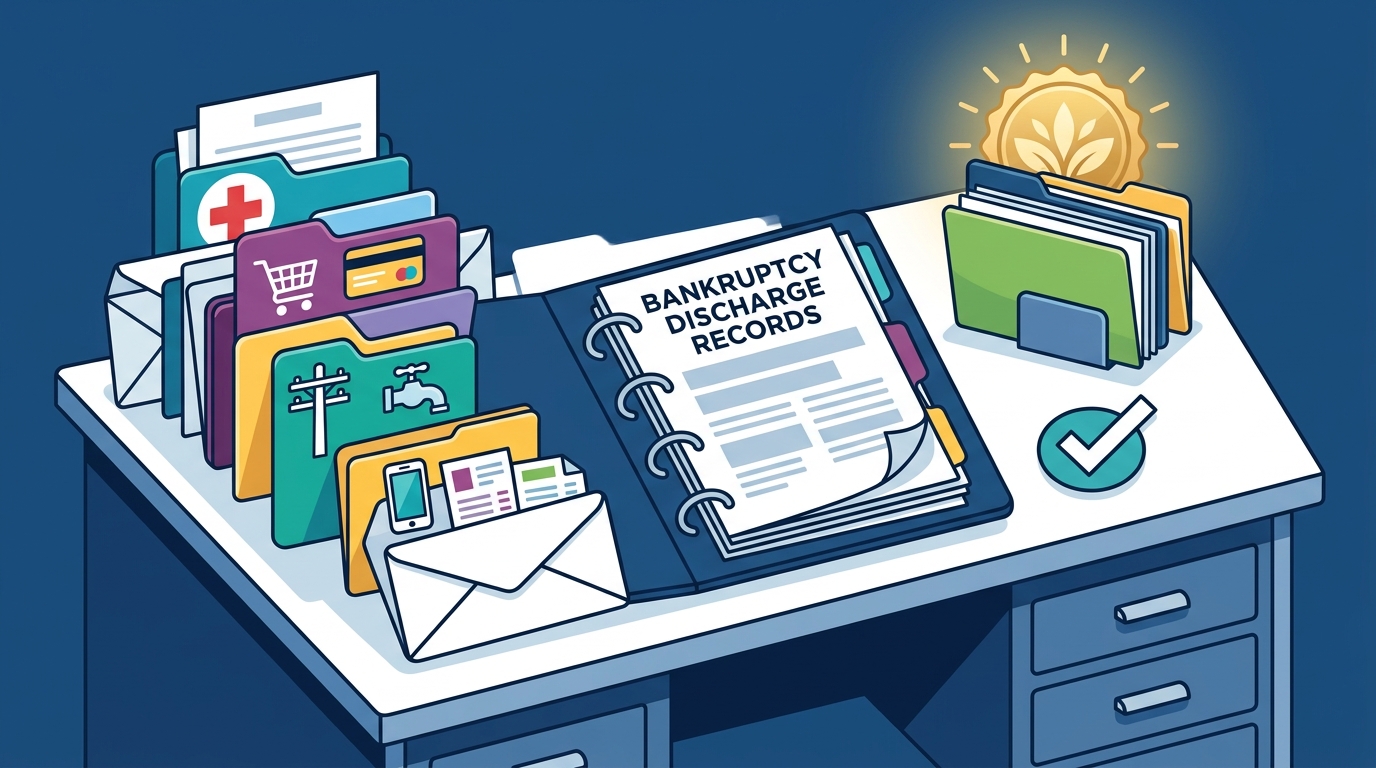
Data shows that credit card debt represents approximately 20% of all unsecured obligations filed in Chapter 7 cases. These revolving debts are among the most common targets for discharge. You can eliminate balances from multiple cards without making further payments. Medical bills are another major category of dischargeable debt. Hospitals and healthcare providers cannot pursue collection after discharge. Utility shutoff fees and past-due utility bills are also eligible for elimination. Personal loans from friends, family, or private lenders can often be discharged. Car repossessions involving deficiency balances are typically dischargeable. You can learn more about our approach by visiting our blog resources.
A Chapter 7 bankruptcy is a liquidation process that allows eligible filers to eliminate most unsecured debts within a few months. This process provides rapid relief for those who qualify. The trustee sells non-exempt assets to pay creditors. Remaining eligible debts are wiped clean by the discharge. This swift resolution allows you to rebuild your financial life quickly. Our firm specializes in identifying all dischargeable obligations in your portfolio.
Nondischargeable Debts That Survive Bankruptcy
Federal law mandates that child support payments remain the priority financial obligation. These domestic support obligations are never dischargeable in any bankruptcy chapter. You must continue making payments according to your court order. Student loans present a significant challenge for many filers. The Internal Revenue Service reports that certain tax obligations may be discharged under strict conditions. Most student loans require a separate adversary proceeding to seek discharge. You must prove undue hardship to the court to eliminate these debts. Recent tax returns and certain penalties may be dischargeable if specific criteria are met. DUI liabilities and civil judgments resulting from drunk driving are nondischargeable. Debts incurred through fraud or false pretenses are also excluded. You can consult our services page for detailed guidance on complex debt situations.
A nondischargeable debt is an obligation that the bankruptcy court refuses to erase, requiring the debtor to continue payments. These debts survive the bankruptcy case and remain enforceable. Creditors can pursue collection actions after your discharge is granted. It is crucial to identify these obligations before filing your petition. Our attorneys conduct a thorough analysis to flag all nondischargeable risks. This proactive approach prevents surprises during your case.
Chapter 7 vs. Chapter 13 Discharge Differences
The timing and scope of your discharge depend on the bankruptcy chapter you file. Chapter 7 offers an immediate discharge of eligible debts. This chapter is ideal for filers with limited income and few assets. Chapter 13 provides a discharge after three to five years of payments. This chapter allows you to keep your home and catch up on mortgage arrears. The hardship discharge in Chapter 13 is available under exceptional circumstances. You may qualify if your financial situation changes drastically after filing. The court reviews your hardship to determine eligibility for early discharge. Our team compares both options to recommend the best strategy for your goals. Contact us to evaluate your eligibility for Chapter 7 or Chapter 13.
Chapter 13 also discharges some debts that are nondischargeable in Chapter 7. Certain financial obligations, like debts from property settlements in divorce, may be discharged in Chapter 13. This broader discharge scope can be advantageous for specific filers. You must adhere to your repayment plan to receive the discharge. Missing payments can result in case dismissal without a discharge. Our attorneys ensure your plan is realistic and achievable. We monitor your compliance to protect your discharge rights.
How to Protect Your Assets During Discharge
Protecting your assets is a critical component of the bankruptcy process. Federal and state exemption laws allow you to keep essential property. Homestead exemptions protect your primary residence up to a certain value. Wildcard exemptions can be applied to any property you own. Retirement accounts and life insurance policies are generally exempt. Our attorneys maximize your available exemptions to preserve your wealth. We review your asset portfolio to identify protection strategies. This analysis ensures you retain what matters most to you. Learn about our firm and our dedication to protecting client assets.
You must disclose all assets accurately in your bankruptcy petition. Failure to disclose property can result in denial of your discharge. The trustee has the authority to examine your financial records. Transparency is essential for a successful case outcome. Our team prepares your petition with meticulous attention to detail. We ensure all exemptions are properly claimed and documented. This diligence prevents objections and delays during your case.
Key Takeaways
- A bankruptcy discharge is a court order that permanently stops creditors from taking any collection actions against you for specific debts.
- Credit card debt and medical bills are among the most common dischargeable obligations in Chapter 7 cases.
- Child support payments and most student loans are nondischargeable debts that survive bankruptcy.
- Chapter 7 provides a faster discharge, while Chapter 13 offers broader discharge protections for certain obligations.
- Federal and state exemption laws allow you to protect essential assets like your home and retirement accounts.
- You must complete all required financial management courses to receive your discharge.
- Our firm at PM Bankruptcy provides personalized guidance to navigate your unique debt situation.
Frequently Asked Questions
Can I discharge tax debt through bankruptcy?
Certain tax debts may be discharged if they meet specific age and filing requirements. The tax return must have been due at least three years before filing. You must have filed the return at least two years before filing. The tax assessment must be at least 240 days old. Our attorneys review your tax history to determine eligibility. Contact us for a detailed tax debt analysis.
Does bankruptcy discharge credit card debt?
Credit card debt is typically dischargeable in both Chapter 7 and Chapter 13 bankruptcy. You can eliminate balances without making further payments. Debts incurred through fraud may be nondischargeable. Cash advances taken shortly before filing can be challenged by creditors. Our team ensures your credit card debts are properly scheduled for discharge.
Can I keep my car after filing for bankruptcy?
You can keep your car if your equity falls within your exemption limits. Chapter 7 allows you to redeem the vehicle or reaffirm the loan. Chapter 13 lets you include the car payment in your repayment plan. Our attorneys structure your case to maximize asset retention. We review your loan terms and exemption options carefully.
What happens to my mortgage after bankruptcy?
Your mortgage is a secured debt that survives bankruptcy. You must continue making payments to avoid foreclosure. Chapter 13 allows you to cure past-due mortgage balances. Chapter 7 does not eliminate the mortgage lien on your home. Our team helps you develop a strategy to maintain your home ownership.
Can bankruptcy discharge student loans?
Student loans are generally nondischargeable without an adversary proceeding. You must prove undue hardship to the court to eliminate these debts. This process requires additional legal action and documentation. Our attorneys can assist with filing an adversary proceeding if warranted. We evaluate your case to determine if hardship discharge is possible.
How long does the bankruptcy discharge process take?
Chapter 7 discharge typically occurs within four to six months after filing. Chapter 13 discharge happens after completing your three to five year plan. The court issues the discharge order after reviewing your compliance. Our team monitors your case to ensure timely discharge issuance. We keep you informed throughout the entire process.
Can creditors sue me after bankruptcy discharge?
Creditors are prohibited from taking collection actions after your discharge. Violating the discharge order can result in sanctions against the creditor. You can seek damages if a creditor attempts to collect discharged debt. Our attorneys enforce your discharge rights aggressively. We protect you from harassment and illegal collection attempts.
Contact PM Bankruptcy
Take control of your financial future by understanding your discharge options. Our experienced team at PM Bankruptcy is ready to help you eliminate overwhelming debt. We provide personalized guidance to navigate your unique situation. Schedule your consultation today to discuss your debt relief strategy. Visit our homepage to learn more about our services. Let us help you achieve the fresh start you deserve.