
Understanding which financial obligations can be eliminated through bankruptcy is the first step toward financial recovery. According to the American Bankruptcy Institute, more than 600,000 individuals file for bankruptcy each year in the United States, seeking relief from overwhelming debt burdens. This legal process offers a fresh start, but it is not a universal eraser for all financial liabilities. Knowing exactly what can be discharged helps you make informed decisions about your financial future. (Contact Us)
Common Dischargeable Debts
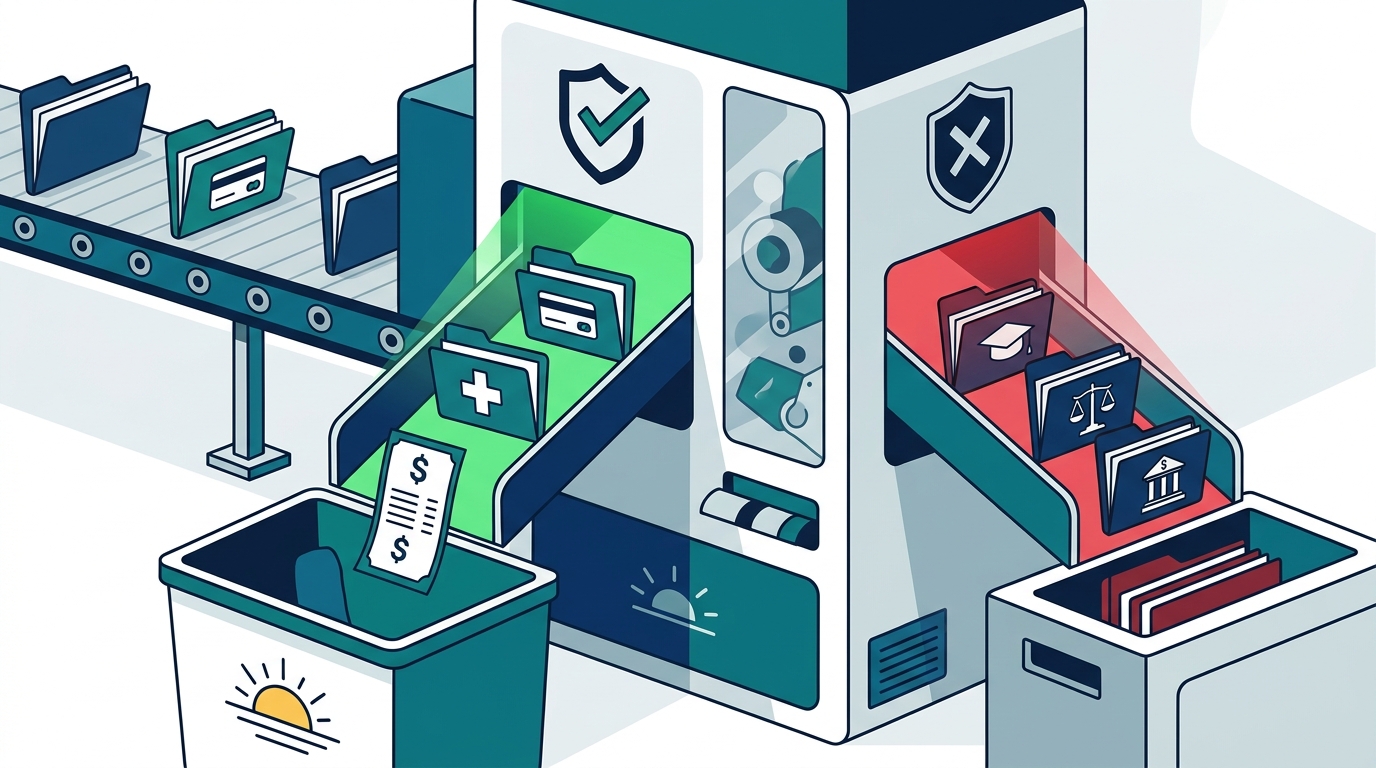
Personal bankruptcy, particularly under Chapter 7, is designed to wipe out unsecured debts. These are debts not backed by collateral, meaning the lender cannot seize specific assets if you default. The most common types of dischargeable debts include: (About)
Credit Card Debt
Credit card balances are among the most frequently discharged debts. Whether you have one card or multiple, the unsecured nature of these accounts makes them eligible for discharge. This includes revolving balances, cash advances, and fees accrued over time. For many individuals, eliminating credit card debt provides immediate breathing room.
Medical Bills
Medical debt is a leading cause of bankruptcy filings in the United States. Hospital bills, doctor visits, and prescription costs often accumulate quickly, leaving patients with no way to pay. Bankruptcy law recognizes that medical emergencies are often beyond an individual's control, making these debts dischargeable.
Personal Loans and Unsecured Lines of Credit
Unsecured personal loans from banks, credit unions, or online lenders can be discharged. Similarly, home equity lines of credit (HELOCs) that are unsecured or second-lien positions may be eligible, depending on the equity in the home. These debts do not have specific collateral attached that the lender can claim directly through the bankruptcy process.
Utility Bills
Unpaid utility bills, including electricity, water, and gas, can be discharged. However, it is important to note that while the debt itself is wiped out, your service may be disconnected during the bankruptcy process. You will typically need to provide a deposit to reconnect services after the discharge is granted.
Older Tax Debts
In some cases, older income tax debts can be discharged. This depends on several factors, including when the tax return was filed and when the tax was assessed. Generally, if the tax return was due more than three years ago and filed more than two years ago, it may be eligible for discharge. This is a complex area of bankruptcy law that requires careful analysis.
Non-Dischargeable Obligations
Not all debts can be eliminated through bankruptcy. Federal law specifies certain obligations that must still be paid, even after a bankruptcy discharge. Understanding these exceptions is crucial for setting realistic expectations.
Student Loans
Student loans are notoriously difficult to discharge. To have student loans discharged, you must prove "undue hardship" through a separate legal proceeding called an adversary proceeding. This is a high legal bar to clear, and most borrowers must continue making payments on their student loans after bankruptcy.
Child Support and Alimony
Domestic support obligations, including child support and alimony, are never dischargeable. These debts are considered a priority because they affect the welfare of dependents. Filing for bankruptcy does not relieve you of the obligation to pay past-due support or current support obligations.
Criminal Fines and Restitution
Debts arising from criminal convictions, such as fines, penalties, and restitution orders, cannot be discharged. This includes debts owed to victims of crime as ordered by a court. The legal system prioritizes holding individuals accountable for criminal actions over financial relief.
Recent Tax Debts
While older tax debts may be dischargeable, recent income tax debts are generally not. If you owe taxes for the current year or have filed fraudulently, these obligations will survive the bankruptcy process. Trustee taxes and payroll taxes are also typically non-dischargeable.
Debts from Fraud or Willful Injury
If you incurred debt through fraud, false pretenses, or willful and malicious injury to another person or their property, that debt is non-dischargeable. Creditors can object to the discharge of these specific debts if they can provide evidence of your fraudulent intent.
Chapter 7 vs. Chapter 13 Discharge
The type of bankruptcy you file significantly impacts which debts are discharged and how they are handled. Chapter 7 and Chapter 13 offer different approaches to debt relief.
| Debt Type | Chapter 7 Discharge | Chapter 13 Discharge |
|---|---|---|
| Credit Card Debt | Yes, fully discharged | Partially or fully, depending on plan |
| Medical Bills | Yes, fully discharged | Partially or fully, depending on plan |
| Student Loans | Generally No | Generally No |
| Child Support | No | No |
| Home Mortgage | Personal liability discharged, lien remains | Cure arrears, keep home |
| Car Loan | Personal liability discharged, lien remains | Cure arrears, keep car |
In Chapter 7, the discharge happens relatively quickly, usually within a few months of filing. This provides immediate relief from most unsecured debts. In Chapter 13, the discharge occurs after the completion of a three-to-five-year repayment plan. Chapter 13 may offer broader discharge options for certain debts that are not dischargeable in Chapter 7, such as some marital property settlement debts.
Exceptions and Conditions
Even dischargeable debts may have exceptions or conditions that affect their treatment in bankruptcy. It is essential to understand these nuances to avoid surprises.
Recent Debts and Cash Advances
Debts incurred shortly before filing may be scrutinized. Cash advances taken out within 70 days of filing and luxury purchases over a certain amount within 90 days may be deemed non-dischargeable if the creditor objects. This is to prevent individuals from running up debt with no intention of paying it back.
Debts Not Listed in Bankruptcy Papers
If you fail to list a debt in your bankruptcy schedules, that debt may not be discharged. It is critical to be thorough and accurate when listing all creditors and obligations. Omitting a creditor can result in the debt surviving the bankruptcy process.
Debts from Previous Bankruptcy Discharges
If you received a discharge in a previous bankruptcy, you may be barred from receiving another discharge for a certain period. The waiting period depends on the type of bankruptcy filed previously and the type filed now. For example, if you received a Chapter 7 discharge, you must wait eight years before filing another Chapter 7 case.
Key Takeaways
- Unsecured debts are primary targets: Credit card debt, medical bills, and personal loans are typically discharged in Chapter 7 bankruptcy.
- Domestic support is never discharged: Child support and alimony obligations must continue regardless of bankruptcy filing.
- Student loans are difficult to discharge: Proving undue hardship is required, which is a high legal standard.
- Chapter 13 offers different benefits: It allows for the repayment of some debts over time and may protect assets like homes and cars.
- Timeliness matters: Recent debts and cash advances may be scrutinized and potentially deemed non-dischargeable.
- Tax debts have specific rules: Older tax debts may be discharged, but recent ones generally are not.
- Full disclosure is essential: All debts must be listed to ensure they are eligible for discharge.
Frequently Asked Questions
Can I discharge tax debt in bankruptcy?
Yes, under certain conditions. Older income tax debts may be discharged if the return was due more than three years ago and filed more than two years ago. However, recent tax debts and fraudulently filed returns are generally not dischargeable.
Will bankruptcy eliminate my student loans?
Generally, no. Student loans are considered non-dischargeable unless you can prove "undue hardship" through a separate legal proceeding. This is a difficult standard to meet, and most borrowers must continue making payments.
Does bankruptcy discharge credit card debt?
Yes, credit card debt is one of the most common types of debt discharged in Chapter 7 bankruptcy. This includes revolving balances, cash advances, and associated fees.
Can I keep my house if I file for bankruptcy?
In Chapter 7, you may keep your house if your equity is protected by exemption laws. In Chapter 13, you can keep your house by catching up on missed mortgage payments through a repayment plan. However, the mortgage lien remains, and you must continue making payments.
What happens to my car if I file for bankruptcy?
Similar to a house, you may keep your car if your equity is exempt. In Chapter 13, you can catch up on auto loan arrears. In Chapter 7, the lien remains, and you must continue making payments to keep the vehicle.
Are medical bills discharged in bankruptcy?
Yes, medical bills are typically discharged in Chapter 7 bankruptcy. This is because they are unsecured debts, and bankruptcy law provides relief for medical emergencies that individuals cannot control.
How long does the bankruptcy discharge process take?
In Chapter 7, the discharge usually occurs about four months after filing. In Chapter 13, the discharge occurs after the completion of the three-to-five-year repayment plan. The timeline depends on the complexity of your case and court schedules.
Take Control of Your Financial Future
Understanding which debts can be discharged is crucial for making informed decisions about your financial future. If you are struggling with overwhelming debt, it is time to explore your options. Contact PM Bankruptcy today to schedule a consultation with our experienced team. We can help you determine the best course of action for your unique situation and guide you through the bankruptcy process with confidence.