

Stopping Vehicle Repossession Through Bankruptcy in Sacramento
Any debtor who files a bankruptcy petition in a U.S. federal court can immediately stop a vehicle repossession through the automatic stay. This legal injunction halts most collection activities, including the physical seizure of your car, the moment your case is filed. This guide explains how the automatic stay works, the differences between Chapter 7 and Chapter 13 protections, and how to recover a vehicle that has already been repossessed. It also covers lender relief motions and vehicle redemption options for residents in Sacramento and across California. For additional details, review the pmbankruptcy com.
The Automatic Stay
Immediate Effect of Filing
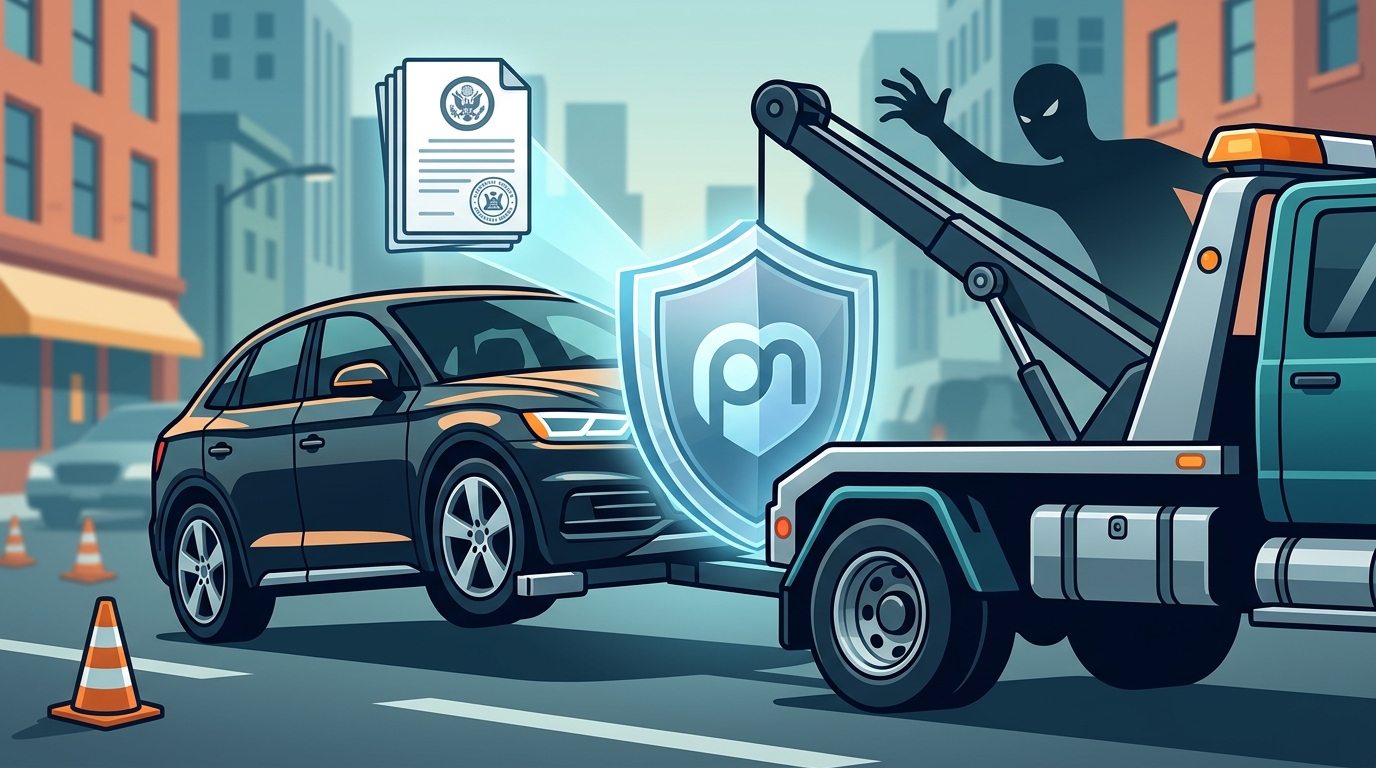
The stay applies the moment the bankruptcy clerk stamps the petition. If a lender is in the process of towing your vehicle, the stay can legally stop the tow truck driver from taking the car. If the vehicle has already been repossessed but not yet sold, the stay can force the lender to return the vehicle to you. This is known as a surrender and return order. The lender must comply with the court's order to return the property, although they may still seek relief from the stay if they can prove a lack of equity or a risk to their collateral. For additional details, review the Customer Experience.
Scope and Limitations
The automatic stay is not absolute. It does not protect a debtor from criminal fines or certain tax obligations. More importantly for vehicle owners, the stay can be lifted if the lender proves that the vehicle has no equity or that the debtor is not making payments. In such cases, the lender files a motion for relief from the automatic stay. The court will then hold a hearing to determine if the stay should be lifted. If the stay is lifted, the lender can proceed with the sale of the vehicle. Therefore, while the stay is a powerful tool, it is not a permanent shield against all collection actions. For additional details, review the Frequently Asked Questions.
Chapter 13 Bankruptcy
Chapter 13 bankruptcy is a reorganization plan that allows debtors to keep their property while repaying a portion of their debts over three to five years. It is often the preferred option for vehicle owners who are behind on payments but wish to keep their cars. In a Chapter 13 case, the debtor proposes a plan to pay the arrears (the missed payments) over the life of the plan. This allows the debtor to catch up on missed payments while resuming regular monthly payments. For additional details, review the About.
Catching Up on Arrears
One of the primary benefits of Chapter 13 is the ability to cure a default. If you are three months behind on your car loan, you can pay those three months of arrears through the Chapter 13 plan. The plan payments are made to the bankruptcy trustee, who then distributes the funds to your creditors. This structure prevents the lender from repossessing the vehicle as long as you make your plan payments on time. The automatic stay protects the vehicle during the pendency of the plan, provided you are in compliance with the plan terms.
Long-Term Protection
Chapter 13 provides long-term protection because the plan lasts for 36 to 60 months. During this period, the lender cannot repossess the vehicle for missed payments that are being paid through the plan. If you complete the plan successfully, you receive a discharge of remaining unsecured debts. The vehicle loan is typically paid in full through the plan, or the remaining balance is discharged if it is considered unsecured. This makes Chapter 13 a robust tool for saving a vehicle from repossession in Sacramento and other California locations.
Chapter 7 Bankruptcy
Chapter 7 bankruptcy is a liquidation process that discharges most unsecured debts, such as credit card balances and medical bills. It does not typically allow debtors to catch up on missed vehicle payments. Instead, Chapter 7 provides a short-term window of protection through the automatic stay. This stay lasts until the case is closed, which usually takes about four months. During this time, the lender cannot repossess the vehicle. However, once the case is closed, the stay is lifted, and the lender can resume collection activities if the loan is still in default.
Short-Term Relief
Equity Exemptions
California has specific property exemptions that can protect equity in a vehicle. The homestead exemption and personal property exemptions may allow you to keep a certain amount of equity in your car. If your equity exceeds the exemption amount, the Chapter 7 trustee may liquidate the vehicle to pay your unsecured creditors. Therefore, it is crucial to understand your equity position before filing Chapter 7. If you have little to no equity, the trustee is unlikely to take your car, but the lender can still repossess it after the case closes if you are behind.
Lender Relief Motions
A lender relief motion is a legal request filed by a creditor to lift the automatic stay. Lenders typically file these motions when they believe the debtor is not making payments or when the vehicle has no equity. The court will schedule a hearing to review the motion. At the hearing, the lender must prove that the stay is not providing adequate protection to their interest in the property. If the court grants the motion, the stay is lifted, and the lender can repossess and sell the vehicle.
Grounds for Relief
There are two main grounds for a lender to seek relief from the stay. First, lack of equity. If the vehicle is worth less than the loan balance, the lender has no equity in the car. In this case, the court will likely grant relief because the lender would not recover any money from a sale. Second, lack of adequate protection. If the debtor is not making payments or has not provided insurance, the lender may argue that their collateral is at risk. The court will evaluate these factors to determine if the stay should be lifted. Debtors can oppose these motions by showing that they are making payments or by proposing a plan to cure the default.
Opposing the Motion
Debtors have the right to oppose a lender relief motion. Your bankruptcy attorney can argue that you are making payments or that you have a valid plan to cure the default. In Chapter 13 cases, the plan itself provides adequate protection because payments are made through the trustee. In Chapter 7 cases, the debtor may need to show that they can pay off the loan or redeem the vehicle. If the court denies the motion, the stay remains in effect, and the lender cannot repossess the vehicle. This legal battle is a critical part of the bankruptcy process and requires skilled representation.
Vehicle Redemption
Vehicle redemption is the process of buying back a repossessed vehicle by paying the current cash value of the car. Under 11 U.S.C. § 722, a debtor can redeem a vehicle in a Chapter 7 case by paying the lender the full cash value of the vehicle. This amount is typically lower than the total loan balance, especially if the car has depreciated. Redemption allows the debtor to clear the lien and keep the vehicle free and clear of the loan.
Calculating Cash Value
The cash value of a vehicle is determined by its market value, not the original purchase price or the loan balance. You can estimate this value using resources like Kelley Blue Book or NADA Guides. The lender may dispute the value, in which case the court will decide. If the cash value is lower than the loan balance, the difference is considered an unsecured debt. In Chapter 7, this unsecured debt is discharged. In Chapter 13, it may be paid through the plan or discharged. Redemption is a powerful tool for debtors who have a vehicle with significant depreciation.
Financing the Redemption
Redemption requires a lump sum payment, which can be difficult for many debtors. Some debtors use personal savings, loans from family, or third-party redemption loans. It is important to note that redemption loans can be expensive and may not be available to everyone. If you cannot afford the lump sum, you may need to consider other options, such as Chapter 13 or a loan modification. Your bankruptcy attorney can help you evaluate your options and determine if redemption is the best path for your situation.
Chapter 7 vs. Chapter 13 for Vehicle Retention
The choice between Chapter 7 and Chapter 13 depends on your financial situation and your goals for the vehicle. The table below summarizes the key differences between the two chapters regarding vehicle retention.
| Duration of Stay | Approx. 4 months | 3 to 5 years |
| Catching Up on Arrears | No | Yes |
| Vehicle Redemption | Yes | Yes |
| Discharge of Unsecured Debt | Yes | Yes |
| Income Requirement | Means Test | Discretionary Income |
| Best For | Debtors with no equity or who can pay off loan | Debtors behind on payments who want to keep car |
Key Takeaways
- The automatic stay stops vehicle repossessions immediately upon filing bankruptcy.
- Chapter 13 allows you to catch up on missed payments over three to five years.
- Chapter 7 provides short-term protection but does not cure defaults.
- Lenders can file relief motions to lift the stay if you are not making payments.
- Vehicle redemption allows you to buy back a repossessed car for its cash value.
- California exemptions may protect equity in your vehicle during bankruptcy.
- Consulting a bankruptcy attorney is essential to choose the right chapter and strategy.
- The court decides on relief motions and redemption values based on evidence.
Frequently Asked Questions
Can bankruptcy stop a car from being repossessed?
Yes, filing for bankruptcy triggers the automatic stay, which legally prohibits lenders from repossessing your vehicle. This protection takes effect immediately upon filing.
What happens if my car is already repossessed?
If your car is repossessed but not yet sold, you can file for bankruptcy to force the lender to return the vehicle. The automatic stay can compel the lender to surrender the car back to you.
How long does the automatic stay last?
In Chapter 7, the stay lasts until the case is closed, typically around four months. In Chapter 13, the stay lasts for the duration of the plan, which is three to five years.
Can I keep my car in Chapter 7 if I am behind on payments?
You can keep your car during the Chapter 7 case, but once the case is closed, the lender can repossess it if you are still behind. You must be current on payments after the case ends.
What is vehicle redemption?
Vehicle redemption is the process of paying the current cash value of your car to the lender to clear the lien and keep the vehicle. This is allowed in both Chapter 7 and Chapter 13.
How do I calculate the cash value of my car?
You can use online tools like Kelley Blue Book or NADA Guides to estimate the market value of your vehicle. The court may also appoint an appraiser to determine the value.
Can a lender lift the automatic stay?
Yes, a lender can file a motion for relief from the automatic stay. The court will hold a hearing to decide if the stay should be lifted based on equity and payment history.
Do I need a lawyer to file for bankruptcy?
While you can file pro se, it is highly recommended to consult a bankruptcy attorney. They can help you choose the right chapter, negotiate with lenders, and protect your assets.
Conclusion
Stopping a vehicle repossession through bankruptcy is a powerful legal strategy that can save your car and reset your financial footing. Whether you choose Chapter 7 for short-term relief or Chapter 13 for long-term protection, the automatic stay provides a critical window to address your debts. Understanding lender relief motions and vehicle redemption options empowers you to make informed decisions. At pmbankruptcy, we specialize in guiding clients through these complex processes with clarity and expertise. Our team helps you navigate the nuances of California bankruptcy law to protect your assets and achieve financial stability. If you are facing repossession, do not wait. Contact pmbankruptcy today to discuss your options and secure your future.