

Stopping Vehicle Repossession Through Bankruptcy in Sacramento
The Automatic Stay: Immediate Legal Protection
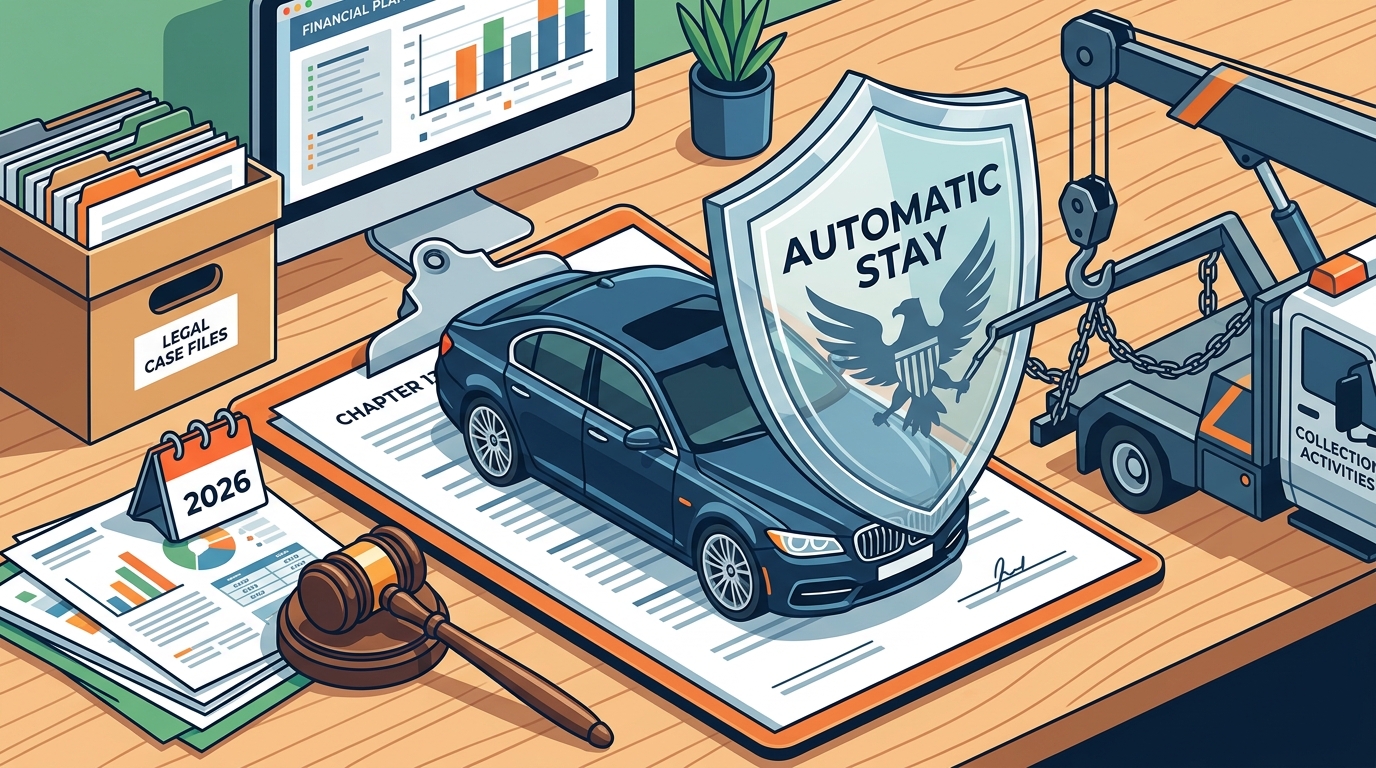
The automatic stay is a federal injunction that takes effect immediately upon the filing of a bankruptcy petition. It prohibits creditors from engaging in most collection activities against the debtor or the debtor's property. Under 11 U.S.C. § 362, this legal barrier stops lenders from repossessing vehicles, garnishing wages, or initiating foreclosure proceedings. The protection is not optional; it is mandatory and applies to all bankruptcy cases filed in good faith. For additional details, review the Customer Experience.
How the Stay Halts Physical Repossession
When a lender attempts to seize a vehicle after a bankruptcy filing, they are violating the automatic stay. This violation can result in significant legal penalties, including attorney's fees and punitive damages. The stay prevents the physical act of towing or impounding the car. If a lender has already taken the vehicle before the filing, the debtor can request the court to order the return of the property. This immediate freeze on collection actions provides a critical window for the debtor to organize their finances and seek legal counsel. For additional details, review the Frequently Asked Questions.
Exceptions and Limitations to the Stay
While the automatic stay is powerful, it is not absolute. Certain exceptions exist, such as when a creditor obtains a court order for relief from the stay. A lender can petition the bankruptcy court to lift the stay if they can demonstrate a lack of adequate protection for their collateral. This usually means proving that the vehicle's value is declining rapidly or that the debtor is not making payments. Additionally, if a debtor has filed multiple bankruptcy cases within the previous year, the stay may not apply automatically to certain actions. Understanding these limitations is crucial for maintaining long-term protection. For additional details, review the About.
Chapter 13 Bankruptcy: Curing Defaults and Keeping Your Car
Chapter 13 bankruptcy is a reorganization plan that allows debtors to keep their property while repaying a portion of their debts over three to five years. It is the primary tool for stopping vehicle repossession permanently. Unlike Chapter 7, which may require the surrender of non-exempt assets, Chapter 13 allows debtors to cure past due amounts on secured debts. This means you can catch up on missed car payments through the court-approved repayment plan.
Curing Arrears Through the Repayment Plan
One of the most significant benefits of Chapter 13 is the ability to spread past due car payments over the life of the plan. If you are two years behind on your auto loan, you can pay those arrears in monthly installments over 36 to 60 months. The remaining balance of the loan continues to be paid according to the original schedule. This structure makes it possible to keep a vehicle that would otherwise be repossessed due to a temporary financial hardship. The plan must be feasible, meaning the debtor must have a stable income to support the payments.
Stripping Liens and Valuing Collateral
In some cases, a vehicle may be underwater, meaning the loan balance exceeds the car's current market value. Chapter 13 allows for lien stripping on second liens if the vehicle has no equity. This process can eliminate a junior lien, reducing the total debt burden. For primary liens, the debtor can sometimes negotiate a valuation of the collateral. If the car is worth less than the loan, the debtor may be able to pay the value of the car over the plan term and discharge the remaining deficiency. This strategy requires careful legal analysis to ensure it is beneficial for the debtor's long-term financial health.
Comparison of Bankruptcy Chapters for Vehicle Retention
| Immediate Repossession Stop | Yes, via Automatic Stay | Yes, via Automatic Stay | Cure Past Due Payments | No | Yes, over 3-5 years | Keep Vehicle with Equity | Yes, if exempt | Yes, regardless of exemption | Repayment Duration | None (Liquidation) | 36 to 60 months | Discharge of Deficiency | Yes, for eligible debts | Yes, for eligible debts |
Key Takeaways
- The automatic stay immediately stops vehicle repossession upon filing a bankruptcy petition.
- Chapter 13 bankruptcy allows debtors to cure past due car payments over three to five years.
- Violations of the automatic stay by lenders can result in legal penalties and damages.
- Debtors must maintain current payments on secured debts to keep the stay in effect.
- Chapter 7 may require surrendering non-exempt vehicles, while Chapter 13 allows retention.
- Lien stripping in Chapter 13 can eliminate second liens on underwater vehicles.
- Legal counsel is essential to navigate the complexities of the automatic stay and plan confirmation.
- Filing in good faith is required to maintain the protection of the automatic stay.
Frequently Asked Questions
Can bankruptcy stop a car from being repossessed?
Yes, filing for bankruptcy triggers the automatic stay, which legally prohibits lenders from repossessing your vehicle. This protection takes effect immediately upon filing.
What happens if the lender repossesses my car after I file?
If a lender repossesses your car after you file for bankruptcy, they are violating the automatic stay. You can petition the court to order the return of the vehicle and seek damages for the violation.
Can I keep my car if I am behind on payments?
Yes, through Chapter 13 bankruptcy, you can catch up on missed payments over the duration of your repayment plan. This allows you to keep the vehicle while bringing your loan current.
How long does the automatic stay last?
The automatic stay remains in effect for the duration of your bankruptcy case. In Chapter 13, this is typically three to five years. In Chapter 7, it lasts until the case is closed or discharged.
Do I need a lawyer to stop a repossession?
While you can file for bankruptcy pro se, having a lawyer is highly recommended. A bankruptcy attorney can ensure your filing is correct and help you navigate any issues with the automatic stay or plan confirmation.
What if my car is worth less than I owe?
If your car is underwater, you may still be able to keep it through Chapter 13. You can potentially strip second liens or negotiate a valuation of the collateral to reduce your total debt.