

Who Can Stop Debt Collector Harassment or Wage Garnishment in Sacramento?
Only a bankruptcy court judge can issue an automatic stay that immediately halts all wage garnishments and debt collection lawsuits. Additionally, the Federal Trade Commission (FTC) and the California Department of Consumer Affairs can stop harassment by enforcing the Fair Debt Collection Practices Act (FDCPA). At pmbankruptcy, our attorneys help Sacramento residents use these legal tools to protect their income and stop aggressive collection tactics.
Claim of Exemption
A claim of exemption is a legal filing that protects specific assets from being seized by creditors during a bankruptcy or a post-judgment collection process. In California, the state provides two sets of exemption statutes that debtors can choose from to shield their property. This mechanism is critical for stopping wage garnishment because it defines what portion of your paycheck is legally protected from being taken by a creditor. For additional details, review the .
California Exemption Categories
California law allows debtors to exempt a certain amount of wages, bank accounts, and personal property. For example, the state provides a wildcard exemption that can be applied to any personal property, including cash or bank balances. If a creditor attempts to garnish your wages, you can file a claim of exemption with the court to argue that the garnishment exceeds the legal limit. This process requires specific documentation and must be filed within a strict deadline after the garnishment order is issued. For additional details, review the Customer Experience.
Protecting Essential Income
Wage garnishment is a court-ordered deduction from your paycheck to satisfy a debt. However, California law caps the amount that can be garnished based on your disposable income. A claim of exemption ensures that you retain enough money for basic living expenses, such as food, housing, and utilities. By filing this claim, you can reduce the garnishment amount or stop it entirely if your income falls below the statutory threshold. This is a powerful tool for managing cash flow while you work on a long-term debt resolution strategy. For additional details, review the Frequently Asked Questions.
Bankruptcy Automatic Stay
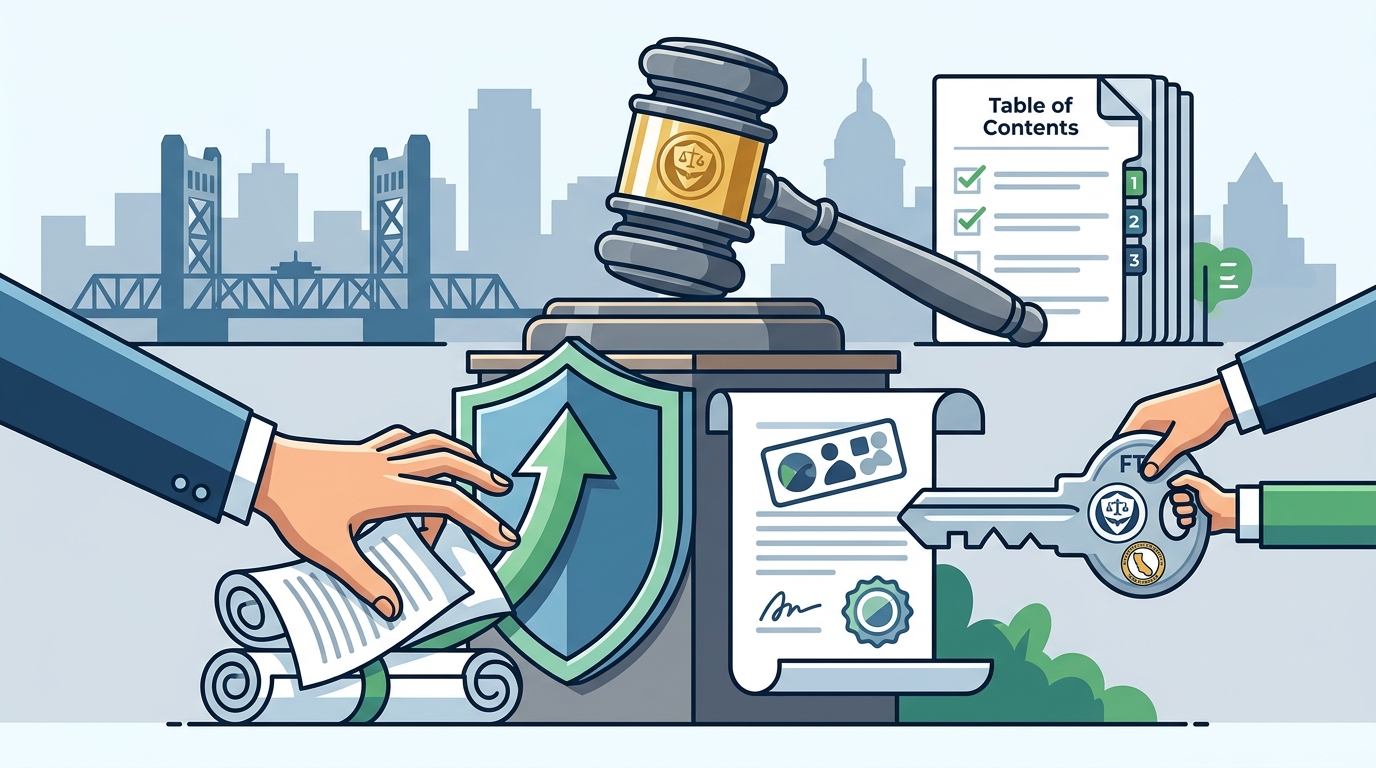
The bankruptcy automatic stay is a federal injunction that immediately stops all collection activities, including wage garnishments, phone calls, and lawsuits, the moment a bankruptcy petition is filed. This stay is one of the most powerful tools in the United States Bankruptcy Code. It provides immediate relief to debtors who are overwhelmed by aggressive collection efforts. The stay applies to all creditors, whether they are secured or unsecured, and it remains in effect until the bankruptcy case is closed or the stay is lifted by a court order.
Immediate Cessation of Garnishment
When a wage garnishment is in place, the automatic stay forces the employer to stop deducting money from your paycheck immediately. If the employer continues to garnish your wages after the bankruptcy filing, they may be held in contempt of court. This can result in significant penalties and legal fees. The stay also stops any pending lawsuits or judgments from being enforced. This gives you a breathing room to reorganize your finances or liquidate non-exempt assets to pay off your debts.
Duration and Scope
The automatic stay is not permanent. It lasts for the duration of the bankruptcy case. In a Chapter 7 case, this is typically a few months. In a Chapter 13 case, it lasts for the three to five years of the repayment plan. During this time, you are protected from harassment and collection attempts. If a creditor violates the stay, you can file a motion for sanctions, which may result in monetary damages and attorney fees being awarded to you. This legal protection is a key reason why many debtors choose bankruptcy as a solution to their financial distress.
Regulatory Complaints
Regulatory complaints are formal reports filed with government agencies that enforce consumer protection laws. In the United States, the Federal Trade Commission (FTC) and the California Department of Consumer Affairs are the primary bodies that handle complaints about debt collector harassment. Filing a complaint does not directly stop a wage garnishment, but it can lead to an investigation that results in fines, penalties, or a cease-and-desist order against the collector. This is an important step in holding abusive collectors accountable.
Filing with the FTC
The FTC enforces the Fair Debt Collection Practices Act (FDCPA), which prohibits debt collectors from using abusive, deceptive, or unfair practices. You can file a complaint with the FTC online or by mail. The FTC may investigate the collector and take legal action if they find violations. While the FTC does not provide individual relief, their enforcement actions help protect consumers nationwide. Filing a complaint is a free and accessible way to report harassment and contribute to broader regulatory oversight.
California State Agencies
In California, the Department of Consumer Affairs regulates debt collectors and other financial services. You can file a complaint with this agency if you believe a collector has violated state law. The agency may investigate and impose penalties on the collector. Additionally, you can file a complaint with the California Attorney General's office. These state agencies have the authority to enforce state-specific consumer protection laws, which may provide additional remedies beyond federal law. Filing a regulatory complaint is a proactive step that can help stop harassment and deter future abusive practices.
Legal Options Comparison
| Legal Tool | Primary Effect | Who Can Use It | Timeframe |
|---|---|---|---|
| Claim of Exemption | Protects specific assets and limits wage garnishment | Any debtor with a judgment or garnishment | Filed within a statutory deadline after garnishment |
| Bankruptcy Automatic Stay | Immediately halts all collection activities and garnishments | Debtors who file for bankruptcy | Lasts for the duration of the bankruptcy case |
| Regulatory Complaint | Triggers an investigation into collector conduct | Any consumer who has been harassed | Investigation timeframe varies by agency |
Key Takeaways
- A claim of exemption is a legal filing that protects specific assets from seizure and limits wage garnishment.
- The bankruptcy automatic stay is a federal injunction that immediately stops all collection activities, including wage garnishments.
- Regulatory complaints filed with the FTC or California Department of Consumer Affairs can lead to investigations and penalties against abusive collectors.
- California law provides two sets of exemption statutes that debtors can choose from to shield their property.
- The automatic stay remains in effect until the bankruptcy case is closed or the stay is lifted by a court order.
- Filing a regulatory complaint is a free and accessible way to report harassment and contribute to broader regulatory oversight.
- Consulting with a bankruptcy attorney can help you determine the best strategy for your specific financial situation.
Frequently Asked Questions
Can a bankruptcy attorney stop a wage garnishment immediately?
Yes. When a bankruptcy petition is filed, the automatic stay takes effect immediately. This stops the wage garnishment and all other collection activities. The employer must stop deducting money from your paycheck as soon as they are notified of the bankruptcy filing.
What is the difference between a claim of exemption and a bankruptcy automatic stay?
A claim of exemption protects specific assets from seizure and limits the amount of wages that can be garnished. A bankruptcy automatic stay halts all collection activities, including garnishments, lawsuits, and phone calls, for the duration of the bankruptcy case.
Can I file a regulatory complaint if I am not in bankruptcy?
Yes. You can file a complaint with the FTC or the California Department of Consumer Affairs at any time if you believe a debt collector has violated the law. This does not require you to file for bankruptcy.
How long does the bankruptcy automatic stay last?
The automatic stay lasts for the duration of the bankruptcy case. In a Chapter 7 case, this is typically a few months. In a Chapter 13 case, it lasts for the three to five years of the repayment plan.
What happens if a creditor violates the automatic stay?
If a creditor violates the automatic stay, you can file a motion for sanctions. The court may award you monetary damages and attorney fees. The creditor may also be held in contempt of court.
Do I need a lawyer to file a claim of exemption?
While you can file a claim of exemption on your own, it is highly recommended to consult with a lawyer. The process involves specific legal requirements and deadlines. A lawyer can help you ensure that your claim is filed correctly and that you receive the maximum protection available under the law.
Conclusion
Stopping debt collector harassment and wage garnishment in Sacramento requires a strategic approach. You have several legal tools at your disposal, including claims of exemption, the bankruptcy automatic stay, and regulatory complaints. Each tool serves a different purpose and can be used in combination to protect your income and assets. At pmbankruptcy, we provide expert guidance to help you navigate these options and find the best solution for your financial situation. today to schedule a consultation and take the first step toward financial relief.