

Starting a bankruptcy case is a significant financial milestone that requires meticulous preparation. According to the American Bankruptcy Institute, over 600,000 bankruptcy petitions were filed in the United States in 2023, highlighting the widespread nature of financial distress. Navigating this process without the correct paperwork can lead to case dismissals, delayed discharges, or even allegations of fraud. This guide outlines the essential documents you must gather to ensure your filing is accurate, compliant, and ready for court submission. (Contact Us)
Gathering Creditor Information
The foundation of any bankruptcy petition is the creditor matrix. This is a comprehensive list of every entity to which you owe money. Accuracy here is non-negotiable. If a creditor is omitted, their debt may not be discharged, leaving you liable for a balance you thought was gone.
You must collect the following for each creditor:
- Full Legal Name: Ensure the name matches your loan agreements or credit card statements exactly.
- Mailing Address: Use the address where you receive statements. If you have moved, use the last known address on file.
- Account Numbers: Include these to help the trustee identify the debt quickly.
- Amount Owed: Provide the most recent balance as of the filing date.
For individuals in California, understanding local court requirements is vital. You can learn more about bankruptcy services in California to ensure your creditor matrix meets specific regional formatting standards.
Financial History and Income Verification
Bankruptcy courts require a transparent view of your financial health. The court needs to determine if you qualify for Chapter 7 liquidation or Chapter 13 repayment plans based on your income relative to your state's median income.
Proof of Income
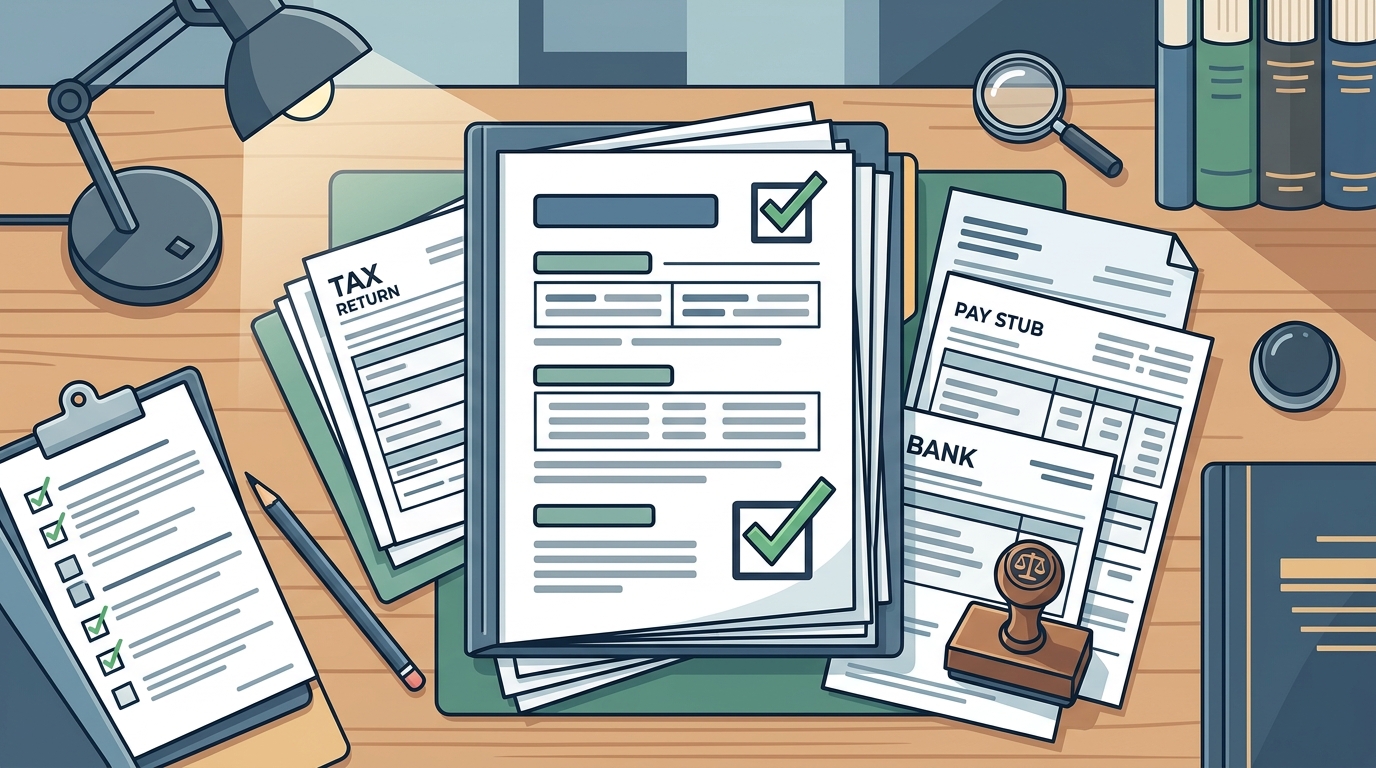
You must provide proof of income for the six months preceding your filing. This includes:
- Pay Stubs: All pay stubs from the last six months.
- Employer Statements: If you are self-employed, provide profit and loss statements.
- Other Income Sources: Documentation for alimony, child support, social security, or unemployment benefits.
According to the U.S. Courts, income verification is critical for the means test calculation. The means test determines your eligibility for Chapter 7 bankruptcy by comparing your median income to your allowable expenses. You can read more about the bankruptcy forms and procedures on the official federal court website.
Bank Statements
Provide bank statements for the last four to six months for all accounts. This helps the trustee identify any recent large transfers or preferential payments that might be scrutinized during the 341 meeting of creditors.
Detailed Asset and Debt Schedules
You must list all your assets and debts in detail. This section requires honesty and precision. Hiding assets can lead to the denial of your discharge or criminal charges.
Real Estate
For any property you own, provide:
- Deeds and Mortgages: Copies of the current deed and mortgage agreements.
- Property Tax Records: Recent tax bills to establish value and equity.
- Appraisals: If available, recent appraisals help establish fair market value.
Vehicles and Personal Property
List all vehicles, including make, model, year, and VIN. Include loan agreements and titles. For personal property, such as furniture, electronics, and jewelry, provide estimated values. The Internal Revenue Service also requires disclosure of foreign financial assets if they exceed certain thresholds, which may intersect with bankruptcy disclosures.
Retirement Accounts
While many retirement accounts are exempt, you must still list them. Provide statements for 401(k), IRA, and pension plans. Understanding exemptions in bankruptcy is crucial to protecting these assets.
Tax Returns and Financial Statements
Tax returns are among the most scrutinized documents in bankruptcy. The court needs to verify your income and ensure you have not concealed assets through fraudulent transfers.
Recent Tax Returns
You must provide copies of your federal tax returns for the two most recent tax years. If you have not filed, you must explain why. The IRS provides guidelines on tax compliance, which intersects with bankruptcy obligations.
Financial Statements
If you are a business owner, you may need to provide business financial statements. This includes balance sheets, profit and loss statements, and cash flow statements. For individuals, a personal financial statement may be required if you have significant assets or complex financial situations.
Post-Filing Requirements and Credit Counseling
Starting the case is only the first step. Post-filing requirements are mandatory for receiving a discharge.
Credit Counseling
Before filing, you must complete a credit counseling course from an approved agency. This course helps you understand your options and develop a budget. You can find approved agencies through the U.S. Trustee Program.
Debtor Education Course
After filing, you must complete a debtor education course before your discharge is granted. This course focuses on financial management and budgeting to help you avoid future financial difficulties.
The 341 Meeting of Creditors
You will attend a meeting with the bankruptcy trustee and any creditors who wish to appear. Bring a government-issued photo ID and your Social Security card. The trustee will ask questions about your petition and financial situation.
Key Takeaways
- Creditor Matrix Accuracy: Every creditor must be listed with correct addresses to ensure debt discharge.
- Income Verification: Six months of pay stubs and bank statements are required for the means test.
- Tax Compliance: Two years of federal tax returns must be provided to the trustee.
- Asset Disclosure: All assets, including real estate and vehicles, must be fully disclosed with supporting documents.
- Credit Counseling: Pre-filing and post-filing credit counseling courses are mandatory for discharge.
- 341 Meeting: Attend the meeting with ID and Social Security card to answer trustee questions.
- Professional Guidance: Working with a bankruptcy attorney ensures all documents are correctly prepared and filed.
Frequently Asked Questions
How long does it take to gather all the documents for bankruptcy?
Gathering documents can take anywhere from a few days to several weeks, depending on the complexity of your financial situation. Start by collecting pay stubs, tax returns, and creditor statements immediately.
What happens if I miss a creditor in my bankruptcy filing?
If you omit a creditor, their debt may not be discharged. You will remain liable for that debt even after your bankruptcy case is closed. It is crucial to be thorough in your creditor matrix.
Can I file bankruptcy without a lawyer?
While it is possible to file pro se, the complexity of bankruptcy laws and the risk of errors make professional guidance highly recommended. An attorney can help ensure your documents are accurate and your rights are protected.
Do I need to provide bank statements for all accounts?
Yes, you must provide bank statements for all accounts, including checking, savings, and investment accounts. This helps the trustee verify your income and assets.
What is the means test and how does it affect my bankruptcy?
The means test compares your income to the median income in your state to determine if you qualify for Chapter 7 bankruptcy. If your income is too high, you may be required to file for Chapter 13 instead.
How do I find an approved credit counseling agency?
You can find approved agencies through the U.S. Trustee Program website. These agencies offer pre-filing credit counseling and post-filing debtor education courses.
What documents do I need for the 341 meeting?
Bring a government-issued photo ID and your Social Security card. You may also need to bring recent pay stubs and bank statements if requested by the trustee.
Start Your Bankruptcy Journey with Confidence
Preparing the correct documents is the first step toward financial freedom. At PM Bankruptcy, we specialize in guiding individuals through the complex bankruptcy process with precision and care. Our team ensures your paperwork is accurate, your rights are protected, and your path to discharge is clear. Contact us today to schedule a consultation and take the first step toward a fresh financial start.