

Homeownership is often the largest asset in an individual's portfolio, making the fear of losing one's house a primary deterrent when considering financial relief. According to the American Bankruptcy Institute, over 600,000 personal bankruptcy cases were filed in the United States in 2023 alone, with a significant portion involving homeowners seeking to protect their equity. Understanding the legal frameworks available to you is critical before taking any action. This guide outlines the precise mechanisms for retaining your property while navigating debt relief.
Understanding Chapter 7 and Equity Exemptions
Chapter 7 bankruptcy, often referred to as liquidation bankruptcy, is designed for individuals with limited income who cannot repay their debts. While the name suggests asset loss, most homeowners do not lose their homes in this process. The key factor is your equity, which is the difference between your home's current market value and the amount you owe on your mortgage.
Bankruptcy law provides exemptions that allow you to protect a certain amount of equity in your primary residence. If your equity falls within the allowable exemption limits, your home is safe from liquidation by the bankruptcy trustee. PM Bankruptcy specializes in analyzing these equity thresholds to ensure your property remains protected. According to Nolo's legal encyclopedia, state-specific exemption laws dictate the maximum equity protection available to filers.
It is important to note that Chapter 7 does not eliminate your mortgage debt. You must continue making your monthly payments to retain ownership. If you are current on your payments and have protected equity, Chapter 7 can wipe out unsecured debts like credit cards and medical bills without touching your home.
Chapter 13: The Wage Earner's Plan
Chapter 13 bankruptcy is a reorganization plan designed for individuals with a regular income who owe less than the statutory debt limits. This chapter is particularly effective for homeowners facing foreclosure because it allows you to catch up on missed mortgage payments over time.
When you file for Chapter 13, an automatic stay immediately halts all foreclosure proceedings. This legal protection gives you breathing room to develop a repayment plan. The Consumer Financial Protection Bureau notes that Chapter 13 allows debtors to keep their property while repaying debts over three to five years.
Your repayment plan will include the arrears on your mortgage, spread out over the life of the plan. Once you complete the plan, any remaining eligible debt is discharged. This mechanism is ideal for those who have fallen behind on payments but have the income to resume monthly obligations. PM Bankruptcy assists clients in structuring these plans to ensure they are sustainable and compliant with court requirements.
Navigating Homestead Exemptions
Homestead exemptions are legal provisions that protect a portion of your home's equity from creditors. These exemptions vary significantly by state, creating a complex landscape for homeowners. Some states offer unlimited homestead protection, while others cap the protected amount at a specific dollar figure.
Understanding your state's exemption limits is crucial for determining which bankruptcy chapter is viable. If your equity exceeds the exemption limit, you may face challenges in Chapter 7 unless you can negotiate with your mortgage lender or explore other options. Data from bankruptcy data aggregators shows that exemption limits can range from zero to unlimited equity protection depending on the jurisdiction.
PM Bankruptcy provides detailed analysis of local exemption laws to help you maximize your asset protection. We evaluate your specific financial situation to determine if your equity is fully shielded or if additional strategies are needed to secure your home.
Handling Mortgage Arrears and Foreclosure
When you fall behind on mortgage payments, lenders can initiate foreclosure proceedings. Filing for bankruptcy triggers an automatic stay, which stops this process immediately. However, the stay is not permanent, and you must take active steps to resolve the arrears.
In Chapter 13, you can cure the default through your repayment plan. This requires consistent payments to the trustee, who then distributes funds to your mortgage lender. Success in this area depends on your ability to maintain current payments while catching up on past dues. According to Investopedia, the automatic stay provides immediate relief from creditor collection activities, including foreclosure.
If you are in Chapter 7, you must bring your mortgage current before the case closes or negotiate a reinstatement plan with your lender. Failure to do so may result in the lender seeking relief from the automatic stay to proceed with foreclosure. PM Bankruptcy guides clients through these negotiations to ensure the best possible outcome for their housing stability.
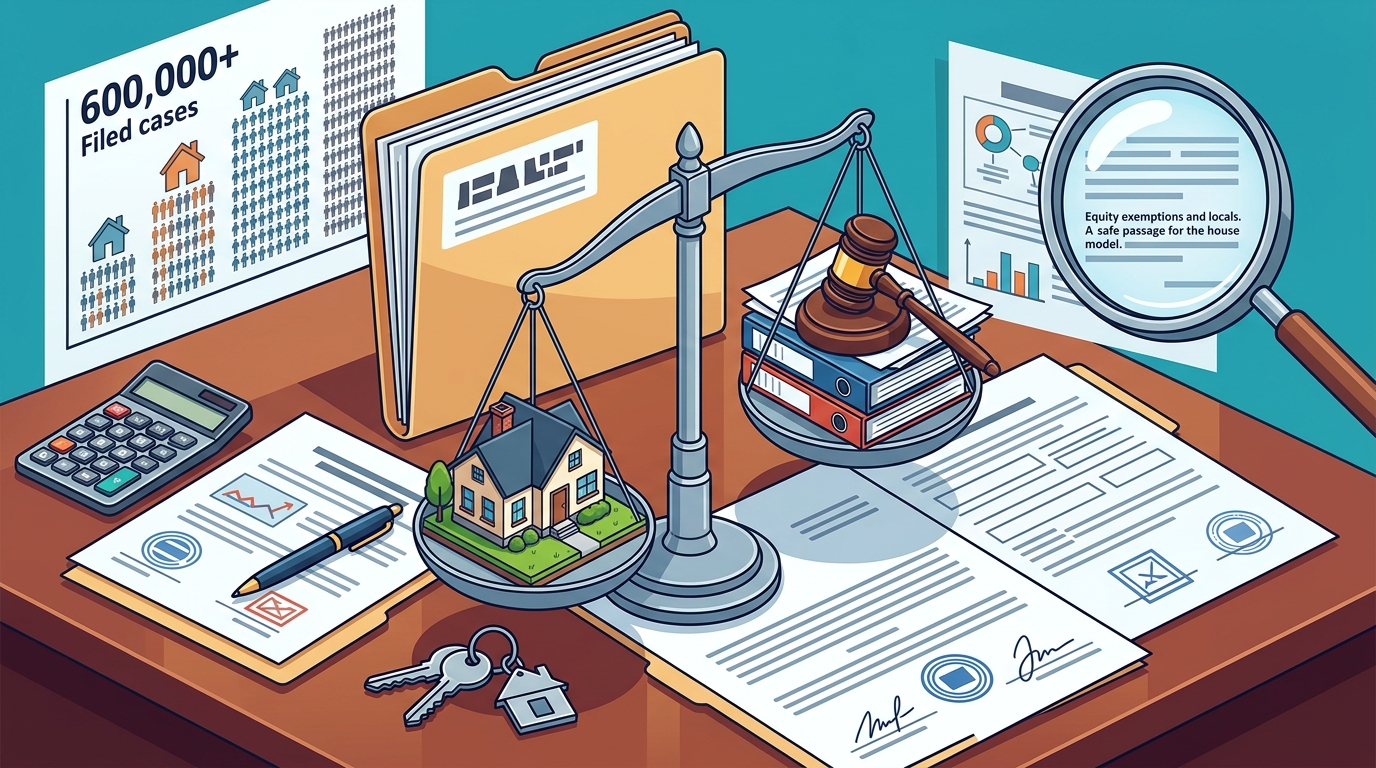
Chapter 7 vs. Chapter 13 for Homeowners
Choosing between Chapter 7 and Chapter 13 depends on your income, equity, and the status of your mortgage payments. The following table summarizes the key differences relevant to homeowners.
| Feature | Chapter 7 Bankruptcy | Chapter 13 Bankruptcy |
|---|---|---|
| Income Requirement | Must pass means test (lower income) | Must have regular income (higher income) |
| Equity Protection | Protected up to state exemption limits | Full equity protected if payments are made |
| Mortgage Arrears | Must be current or reinstate separately | Cured over 3-5 year repayment plan |
| Debt Discharge | Unsecured debts discharged immediately | Remaining eligible debts discharged after plan |
| Foreclosure Status | Stops foreclosure temporarily | Stops foreclosure permanently if plan succeeds |
Key Takeaways
- Equity is the deciding factor in Chapter 7: If your home equity is within your state's exemption limit, you can typically keep your home while discharging other debts.
- Chapter 13 stops foreclosure permanently: This chapter allows you to catch up on missed mortgage payments over time, preventing foreclosure if you complete the plan.
- Homestead exemptions vary by state: Understanding your local exemption limits is critical for determining your protection level against creditors.
- Automatic stay provides immediate relief: Filing for bankruptcy halts foreclosure proceedings immediately, giving you time to develop a strategy.
- PM Bankruptcy offers specialized guidance: Our team helps homeowners navigate complex exemption laws and repayment plans to protect their assets.
- Income eligibility differs between chapters: Chapter 7 requires passing a means test, while Chapter 13 requires a regular income to fund the repayment plan.
- Consultation is essential: A personalized analysis of your financial situation is necessary to determine the best path for keeping your home.
Frequently Asked Questions
Can I keep my house if I have significant equity?
If your equity exceeds your state's homestead exemption limit, you may lose your home in Chapter 7. However, in Chapter 13, you can keep your home as long as you continue making payments and catch up on arrears through the repayment plan.
Does filing for bankruptcy stop foreclosure immediately?
Yes, filing for bankruptcy triggers an automatic stay that immediately stops all foreclosure proceedings. This gives you legal protection while you develop a long-term strategy with the help of PM Bankruptcy.
What is the difference between Chapter 7 and Chapter 13 for homeowners?
Chapter 7 is for those with lower income and limited equity, offering quick debt discharge. Chapter 13 is for those with regular income who need to catch up on mortgage arrears over three to five years.
How do homestead exemptions protect my home?
Homestead exemptions allow you to protect a certain amount of equity in your primary residence from creditors. The amount varies by state, and understanding your local limits is crucial for asset protection.
Can I file for bankruptcy if I am already in foreclosure?
Yes, you can file for bankruptcy even if foreclosure has begun. The automatic stay will stop the process, allowing you to explore options like Chapter 13 to save your home.
What happens to my mortgage after bankruptcy?
Your mortgage remains a secured debt. You must continue making payments to keep your home. In Chapter 13, missed payments are added to your repayment plan, while in Chapter 7, you must be current or reinstate the loan.
How long does it take to keep my home in Chapter 13?
Chapter 13 plans typically last three to five years. During this time, you make monthly payments to the trustee, who distributes funds to your creditors, including your mortgage lender.
Schedule Your Consultation
Protecting your home is a complex legal process that requires expert guidance. PM Bankruptcy is dedicated to helping homeowners navigate the bankruptcy system with confidence and clarity. We provide personalized strategies tailored to your unique financial situation and local laws.
Do not wait until it is too late. Contact PM Bankruptcy today to schedule a consultation and learn how you can keep your home while achieving financial freedom. Visit our services page to learn more about our comprehensive bankruptcy solutions.