
Bankruptcy is often viewed as a financial reset button, but the immediate aftermath can feel like a credit score collapse. According to the Federal Reserve, approximately 1.5 million individuals file for bankruptcy annually in the United States, indicating that this is a common, albeit stressful, financial event. Understanding the specific mechanics of how this legal process impacts your creditworthiness is essential for anyone considering this path. This guide details the timeline of credit recovery, the differences between Chapter 7 and Chapter 13, and the strategic steps required to rebuild your financial foundation. (Contact Us)
Understanding the Immediate Impact
When you file for bankruptcy, your credit score drops significantly. This is because bankruptcy is a public record that signals to lenders that you have been unable to meet your financial obligations. The severity of the drop depends on your starting score. If you had a high credit score before filing, the drop will be more dramatic. However, if your score was already low due to missed payments, the impact may be less severe in percentage terms. (About)
It is crucial to understand that bankruptcy does not erase your financial history overnight. Instead, it creates a new chapter in your credit narrative. Lenders will see the bankruptcy filing as a major negative event, but they will also see your subsequent behavior. This is where the long-term strategy comes into play. By demonstrating responsible financial behavior after filing, you can begin to mitigate the damage.
Chapter 7 vs. Chapter 13 Differences
The type of bankruptcy you file has a direct bearing on how long the negative mark stays on your credit report. Chapter 7 bankruptcy, often referred to as liquidation, involves the sale of non-exempt assets to pay off creditors. Chapter 13 bankruptcy, known as reorganization, involves a three-to-five-year repayment plan. The distinction is vital for long-term credit planning.
Chapter 7 Duration
A Chapter 7 bankruptcy remains on your credit report for ten years from the filing date. This is the longest duration allowed by the Fair Credit Reporting Act. Despite this long window, the impact on your score diminishes over time. Most lenders will look at the last two years of your credit history more closely than the bankruptcy itself, provided you have demonstrated consistent, positive behavior.
Chapter 13 Duration
A Chapter 13 bankruptcy remains on your credit report for seven years from the filing date. This shorter duration is one of the reasons many individuals choose Chapter 13, especially if they want to protect their home from foreclosure. The repayment plan itself shows lenders that you are committed to paying back your debts, which can be viewed more favorably than a complete discharge.
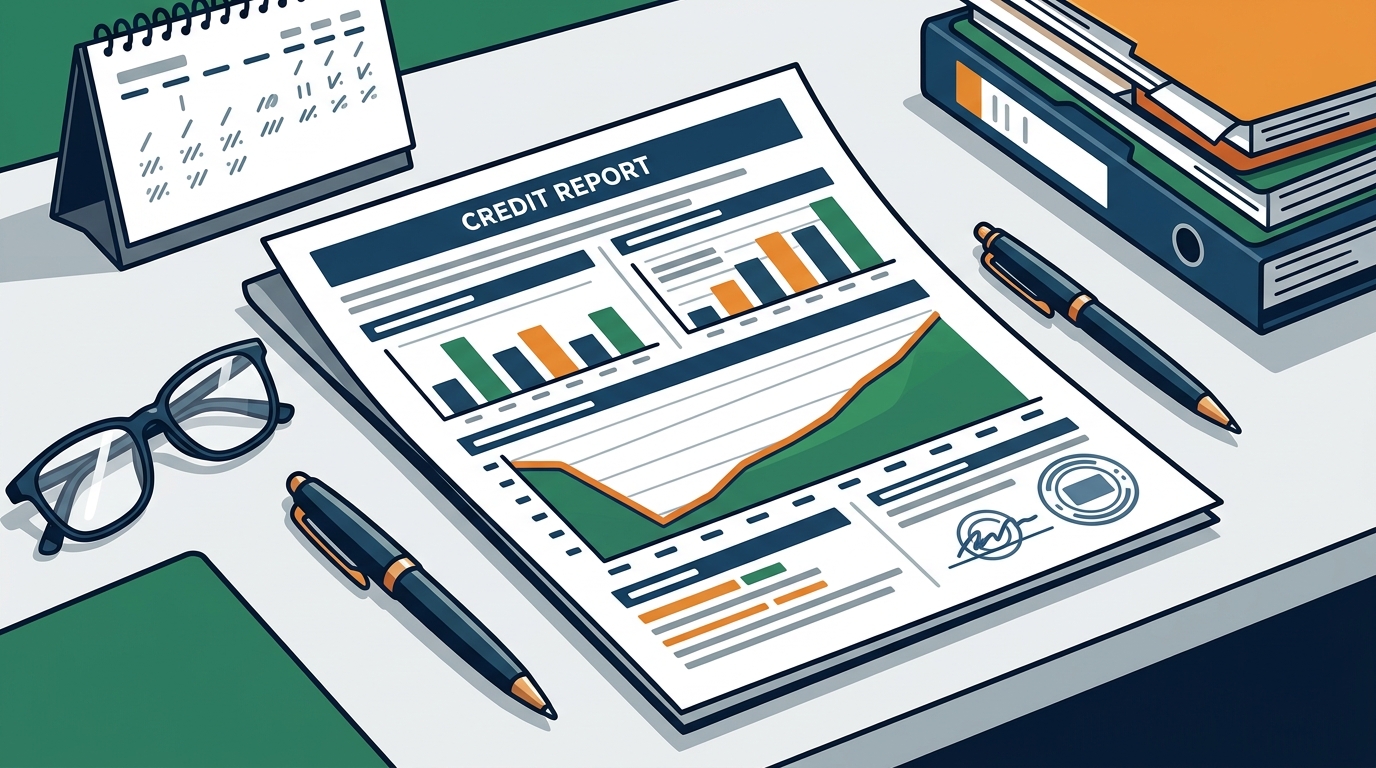
The Credit Report Timeline
The timeline of credit recovery is not linear. It is a gradual process that requires patience and discipline. In the first year after filing, your credit score will likely remain low. However, you can begin to rebuild immediately by obtaining new credit. This is often done through secured credit cards or credit-builder loans.
As time passes, the weight of the bankruptcy in your credit score calculation decreases. Credit scoring models like FICO and VantageScore are designed to predict future risk based on past behavior. As your recent history becomes more positive, the model assigns less importance to the old bankruptcy. This is why consistent on-time payments are so critical in the years following your discharge.
Strategies for Rebuilding Credit
Rebuilding your credit after bankruptcy requires a proactive approach. You cannot simply wait for the negative mark to disappear. You must actively work to establish a new, positive credit history. Here are some effective strategies to consider.
Secured Credit Cards
Secured credit cards are a powerful tool for rebuilding credit. These cards require a cash deposit that serves as your credit limit. By using the card responsibly and paying the balance in full each month, you can demonstrate to lenders that you are a reliable borrower. Over time, many issuers will upgrade you to an unsecured card, returning your deposit.
Credit Builder Loans
Credit builder loans are designed specifically for individuals with poor or no credit history. The lender holds the loan amount in a savings account while you make monthly payments. Once the loan is paid off, you receive the funds. This process reports positive payment history to the credit bureaus, helping to boost your score.
Authorized User Status
Becoming an authorized user on a family member's credit card can also help. If the primary cardholder has a long history of on-time payments and low credit utilization, this positive history can be added to your credit report. However, this strategy requires trust and clear communication with the primary cardholder.
Common Misconceptions About Bankruptcy
There are many myths surrounding bankruptcy that can prevent people from seeking the help they need. One common misconception is that bankruptcy will ruin your life forever. In reality, it provides a fresh start. Another myth is that you will lose all your assets. In many cases, exemptions protect your home, car, and personal belongings.
It is also important to note that bankruptcy does not affect your ability to get a job. Most employers do not check credit reports for standard positions. However, certain financial or security-sensitive roles may require a credit check. Even in these cases, bankruptcy is often viewed as a responsible step taken to manage debt, rather than a character flaw.
Key Takeaways
- Chapter 7 bankruptcy stays on your credit report for 10 years, while Chapter 13 stays for 7 years.
- The impact on your credit score is most severe immediately after filing but diminishes over time.
- Rebuilding credit requires active steps, such as using secured credit cards and credit builder loans.
- Consistent on-time payments are the most critical factor in recovering your credit score.
- Bankruptcy is a legal tool designed to provide a fresh start, not a permanent stain on your character.
- Most employers do not check credit reports, so bankruptcy rarely affects your employment prospects.
- Consulting with a bankruptcy attorney is essential to determine the best path for your specific financial situation.
Frequently Asked Questions
How long does bankruptcy stay on my credit report?
Chapter 7 bankruptcy remains on your credit report for ten years from the filing date. Chapter 13 bankruptcy remains for seven years from the filing date. These timelines are set by the Fair Credit Reporting Act.
Will bankruptcy affect my ability to get a mortgage?
Yes, but not permanently. You may be eligible for an FHA loan after two years of Chapter 7 bankruptcy or one year of Chapter 13 bankruptcy. Conventional loans typically require a four-year waiting period for Chapter 7 and two years for Chapter 13.
Can I get a credit card after bankruptcy?
Yes, you can get a credit card after bankruptcy. Secured credit cards are the most common option for individuals rebuilding their credit. These cards require a deposit but report to the major credit bureaus.
Does bankruptcy erase all my debt?
Bankruptcy discharges most unsecured debts, such as credit card debt and medical bills. However, some debts are non-dischargeable, including student loans, child support, and alimony.
How quickly can my credit score recover after bankruptcy?
Many individuals see their credit score begin to improve within 12 to 18 months after filing. This improvement is driven by new positive credit history and the aging of the bankruptcy on your report.
Is bankruptcy a public record?
Yes, bankruptcy is a matter of public record. However, it is not easily accessible to the general public. Most people will only see it when you apply for credit, housing, or certain jobs.
Can I file for bankruptcy more than once?
Yes, you can file for bankruptcy more than once. However, there are waiting periods between filings. For example, you must wait eight years from a previous Chapter 7 filing to file another Chapter 7.
Take Control of Your Financial Future
Bankruptcy is not the end of your financial journey. It is a powerful tool that can provide the relief you need to start over. At PM Bankruptcy, we understand the complexities of the bankruptcy process and the emotional weight it carries. Our team is dedicated to guiding you through every step, from filing to discharge and beyond. We help you understand your options and develop a plan that aligns with your long-term goals. Do not let fear of the unknown hold you back. Contact PM Bankruptcy today to schedule a consultation and take the first step toward financial freedom.